
Best SEO Tools by Task, Budget, and Data Need (2026)
The best SEO tools are a combination, not one oversized dashboard. Google Search Console tells you how Google actually sees your site, Screaming Frog exposes technical patterns, Ahrefs is strong for backlink and content research, and Semrush covers a broader mix of SEO, competitive, and advertising work.
Choose the source that can answer the question in front of you. First-party data is best for your own clicks and indexing. Crawlers are best for site structure. Third-party suites are most useful for comparative research, but their volumes, difficulty scores, traffic estimates, and link indexes remain estimates.
Quick verdict
Start with first-party evidence, then add a crawler and one paid research suite only when the recurring work justifies it.
| Question | Best starting tool | What it knows | What it cannot prove |
|---|---|---|---|
| How does Google see my site? | Google Search Console | Queries, clicks, indexing, crawl and enhancement signals | Competitor performance |
| What happens after the click? | GA4 or a privacy-first analytics tool | On-site behavior and configured conversions | Search demand |
| What is technically broken? | Screaming Frog | Crawlable URLs, metadata, status codes, directives, internal links | Business priority by itself |
| Where are competitors earning links? | Ahrefs | A large third-party link index and research workflow | Every link on the web |
| Do I need one broad marketing suite? | Semrush | SEO, competitive, content, and advertising datasets | A single source of truth |
| Do I need simpler keyword research? | Mangools or a focused keyword tool | A smaller, easier workflow | The depth of a full suite |
Match the stack to the work you repeat
Tool cost is easiest to justify when it replaces recurring manual work or improves a decision you already make every week.
| Situation | Recommended stack | Upgrade when | Avoid |
|---|---|---|---|
| New site | GSC, analytics, PageSpeed Insights, free Screaming Frog | The site or research workload exceeds free limits | Buying several suites before publishing |
| Content-led business | GSC plus one keyword and competitor suite | Backlink or rank workflows need deeper data | Treating a content score as editorial truth |
| Technical SEO | Crawler, log or server evidence, GSC | Automation and monitoring save recurring audit time | Fixing every warning without prioritization |
| Agency or mixed marketing team | One broad suite plus specialist tools tied to services | A client need has a clear owner and margin | Overlapping licenses nobody owns |
Use each SEO tool for the evidence it can provide
SEO work combines first-party search performance, a crawl of the site, current search results, and third-party comparative data. Those sources answer different questions. Treating one dashboard as truth is how teams optimize an estimate while missing the real indexing or intent problem.
- Use Google Search Console for your queries, pages, clicks, impressions, indexing, and Google-reported enhancements.
- Use analytics for the behavior and conversions you deliberately configure after a visit.
- Use a crawler for status codes, canonicals, directives, headings, metadata, and internal-link patterns.
- Use third-party suites for competitors, expansion, and prioritization while remembering that their volumes, traffic, and links are modeled.
Use the focused guides when the task is narrower: keyword research, link building, or a managed blog-writing workflow needs different evidence and ownership.
The free SEO tools to install first
A free stack can diagnose and improve a serious site. Its weakness is comparative scale and automation, not usefulness.
| Tool | Use it for | Important boundary |
|---|---|---|
| Google Search Console | Search performance, indexing, sitemaps, enhancements | Your verified property only |
| GA4 or a privacy-first alternative | Behavior and configured conversions | Tracking design determines the evidence |
| Screaming Frog free | Crawling up to its free URL limit | A crawl warning is not automatically a priority |
| PageSpeed Insights | Lab diagnostics and available field Core Web Vitals | One run is not a universal speed verdict |
| Google Keyword Planner | Advertising-oriented ranges and related language | Not exact organic demand |
| AnswerThePublic | Question and phrasing discovery | Not a finished outline |
Technical evidence becomes useful when it leads to a scoped repair. The website-audit guide shows how to turn a crawl, indexing signals, and performance evidence into priorities; the Core Web Vitals guide covers the performance layer.
The paid SEO tools worth shortlisting
Paid tools earn their place through recurring research, monitoring, or coordination. They do not replace first-party evidence.
Ahrefs: best for backlinks and page-level research
Ahrefs connects a query to ranking pages, backlink profiles, content discovery, competitor movement, and technical crawling. Lite currently starts at $129/month. Review Ahrefs directly before buying because credits and plan limits determine the practical cost.
Pros
- Deep page-level and backlink research in one workflow.
Cons
- The $129/month Lite entry price and credit model are difficult for occasional use.
Summary
Ahrefs is the strongest specialist choice here for backlink research, competitor pages, content discovery, and the SERP context around a topic.
Semrush: best broad suite
Semrush combines keyword, competitive, audit, rank, content, and advertising workflows. Its current SEO plan starts at $139/month, while broader platform plans start higher. It fits a team that will use several of those datasets, not a blogger who needs one occasional keyword lookup.
Pros
- Wide competitive and marketing workflow coverage.
Cons
- The current plan structure is dense and broader platform tiers become expensive.
Summary
Semrush is the broadest suite here for teams combining SEO, competitive research, content, and advertising context.
Surfer: best for comparative content analysis
Surfer compares a draft with the current result set and surfaces terms, structure, and on-page patterns. Use that as evidence to investigate. The on-page optimization guide and on-page checklist cover decisions a score cannot make for you.
Pros
- Fast comparative analysis inside a writing workflow.
Cons
- Following every recommendation can flatten the article or encourage over-optimization.
Summary
Surfer provides comparative on-page and content analysis. Its score is a research aid, not an editorial target or a guarantee of ranking.
Moz, SE Ranking, and Mangools
Moz Pro is the approachable teaching-oriented option; SE Ranking covers a broad practical workflow at a different price point; Mangools keeps research simpler. Compare current limits, then use the dedicated authority guide as a reminder that a vendor metric is a comparative signal, not a Google score.
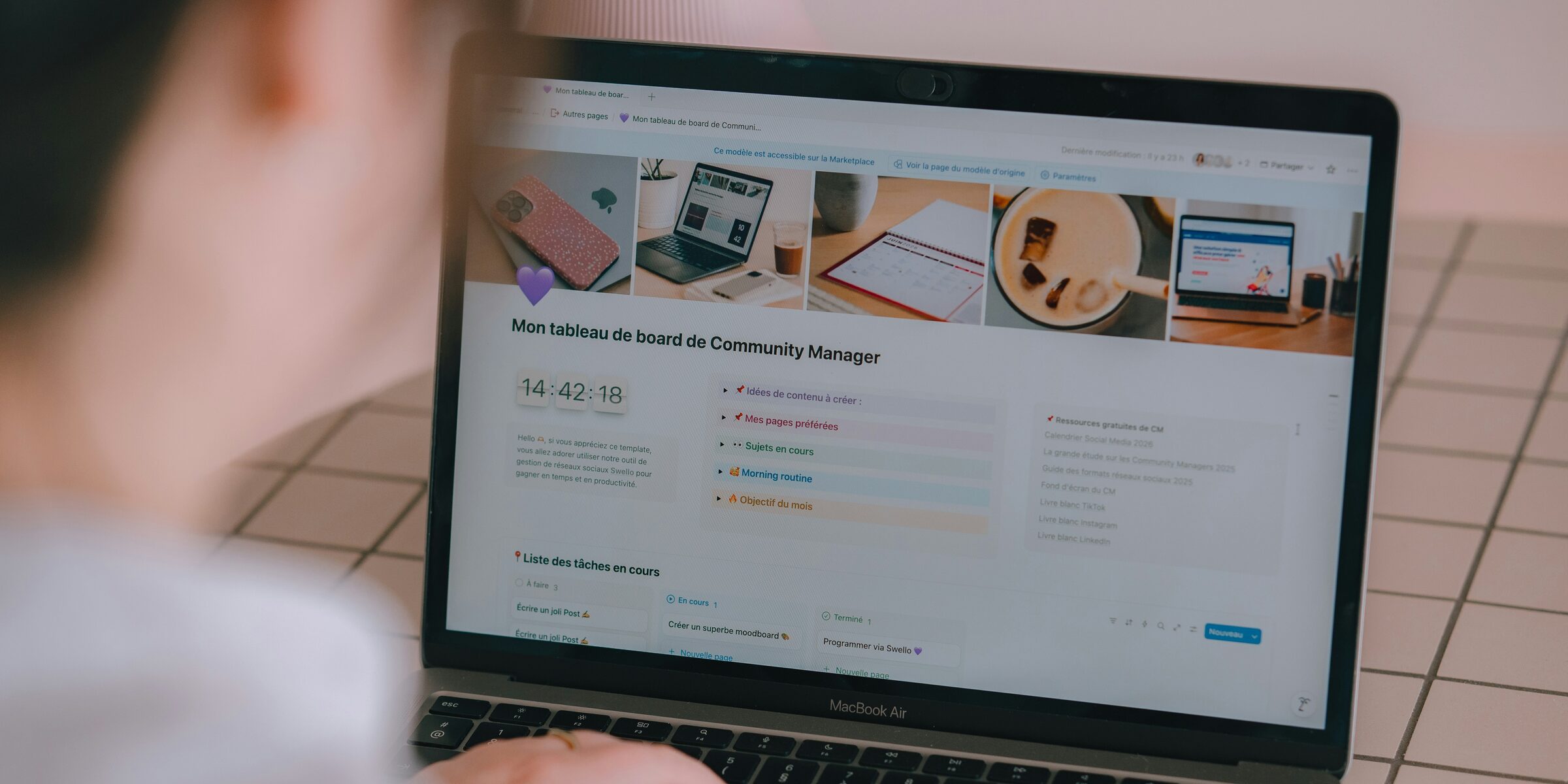
Choose SEO tools by task, not prestige
| Task | Starting tool | Add when needed |
|---|---|---|
| Search performance | Google Search Console | A reporting layer only when it saves recurring work |
| Technical audit | Screaming Frog | Sitebulb, monitoring, logs, or custom extraction for deeper needs |
| Keyword and competitor research | Search Console plus one suite | A specialist database when its unique evidence matters |
| Backlinks | Search Console for your site | Ahrefs or Semrush for comparative research |
| Content optimization | SERP inspection and editorial checklist | Surfer when comparative analysis repeats |
| WordPress metadata | One SEO plugin | Use Rank Math or an equivalent single owner |
For WordPress, Rank Math can own metadata and schema, but it should not overlap another active SEO plugin. A paid stack should support the competitor-analysis and content-planning decisions the team already makes.
A weekly routine matters more than another subscription
- Check Search Console for meaningful page and query changes, not daily position noise.
- Inspect indexing and crawl changes that affect important page groups.
- Update one declining or strategically incomplete page with evidence and intent in view.
- Review new and lost links only when the business has a response or learning process.
- Record the decision made from each paid tool; cancel the license if no decision depends on it.
Automated reports are useful only when someone owns the threshold and next action. More alerts without triage create a quieter form of neglect.
Frequently asked questions
What is the best free SEO tool?
Google Search Console is the best free starting tool because it shows Google’s first-party query, page, click, impression, indexing, and enhancement data for your own verified property.
Is Ahrefs or SEMrush better for SEO?
Ahrefs is the stronger default for backlink and page-level research. Semrush is broader for teams that also need competitive, content, advertising, and wider marketing workflows. Choose from the recurring job.
How much should I spend on SEO tools?
Start at zero with Search Console, analytics, PageSpeed Insights, and a limited crawler. Pay when a recurring research or monitoring bottleneck has an owner and a measurable cost.
Do I need multiple SEO tools?
Usually yes, because first-party search data, site crawling, on-site analytics, and competitor research come from different sources. You do not need several tools that model the same metric.
What SEO tools do professional bloggers use?
A practical stack begins with Search Console, analytics, a crawler, and one paid research suite when justified. Specialists add rank, content, log, or monitoring tools only for work they repeat.
Can SEO tools guarantee higher rankings?
No. SEO tools expose evidence, estimates, and technical patterns. Rankings still depend on intent fit, usefulness, authority, competition, crawlability, and changes outside the tool.
Is Surfer SEO worth the price for bloggers?
Surfer can be worth it when comparative content analysis is frequent and the editor uses judgment. It is poor value when the team treats a numerical content score as the goal.
Related SEO tool comparisons
For narrower purchase decisions, compare Ahrefs, Semrush, Moz, and Majestic, Moz Pro versus Semrush, and SEO tools like Ahrefs.
Start with Search Console, analytics, PageSpeed Insights, and a crawler. Add one paid research tool when a repeated competitor, keyword, or backlink decision justifies it. The best SEO stack is the smallest one that still gives the team the evidence it can act on.
Tell Google you want more of this.
Add Gatilab as a preferred sourceOne tap, and this site shows up more often in your own Top Stories, AI Overviews and AI Mode. Remove it any time.