
Create a Review Website With WordPress: Setup and Monetization Guide 2026
A review website needs a repeatable way to explain a product, show the evidence and help the reader decide. WordPress can handle the publishing, but the quality of the review still depends on clear criteria and honest recommendations.
The theme controls the reading layout. Content blocks organize the verdict and supporting information, while an SEO plugin can manage suitable structured data. Keeping those jobs separate makes the site easier to maintain when you change its design.
Choose the Review Structure
Start with a narrow category and decide which questions every review should answer. The same fields help readers compare products, but they should not force a score where you have no evidence.
- Who the product is for and which needs it does not cover.
- The tasks used to evaluate it, with the conditions behind any result.
- Costs, dependencies and limitations that change the buying decision.
- A verdict that follows from the evidence, with alternatives where they fit.
Choose the Theme and Blocks
Osmium supplies a free publication layout with editorial and review patterns. GT ACF Blocks Plugin supplies structured content fields inside Gutenberg. These are products from Gaurav Tiwari’s WordPress portfolio; a theme and a block collection solve different parts of the site.
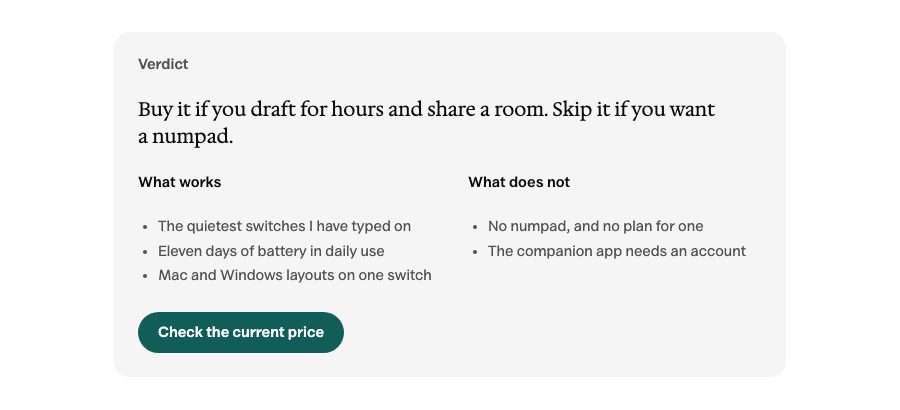
The theme should make long articles and comparisons comfortable to read. It should not determine your scores or add a recommendation the evidence does not support.
Set Up the Field Framework
GT ACF Blocks works with Secure Custom Fields or ACF Pro. Choose the framework appropriate to your site and satisfy its current requirements. The ordinary free ACF edition does not provide the block framework this collection needs.
The block fields register with the plugin, so the included review block does not require a separate field-group import. Try the configuration on staging before changing a working publication.
Build a Product Review
Open the article in the Block Editor and insert the Product Review block. Give the product a recognizable name and set a heading level that fits the surrounding article. Enter only the ratings and claims you can explain in the body.
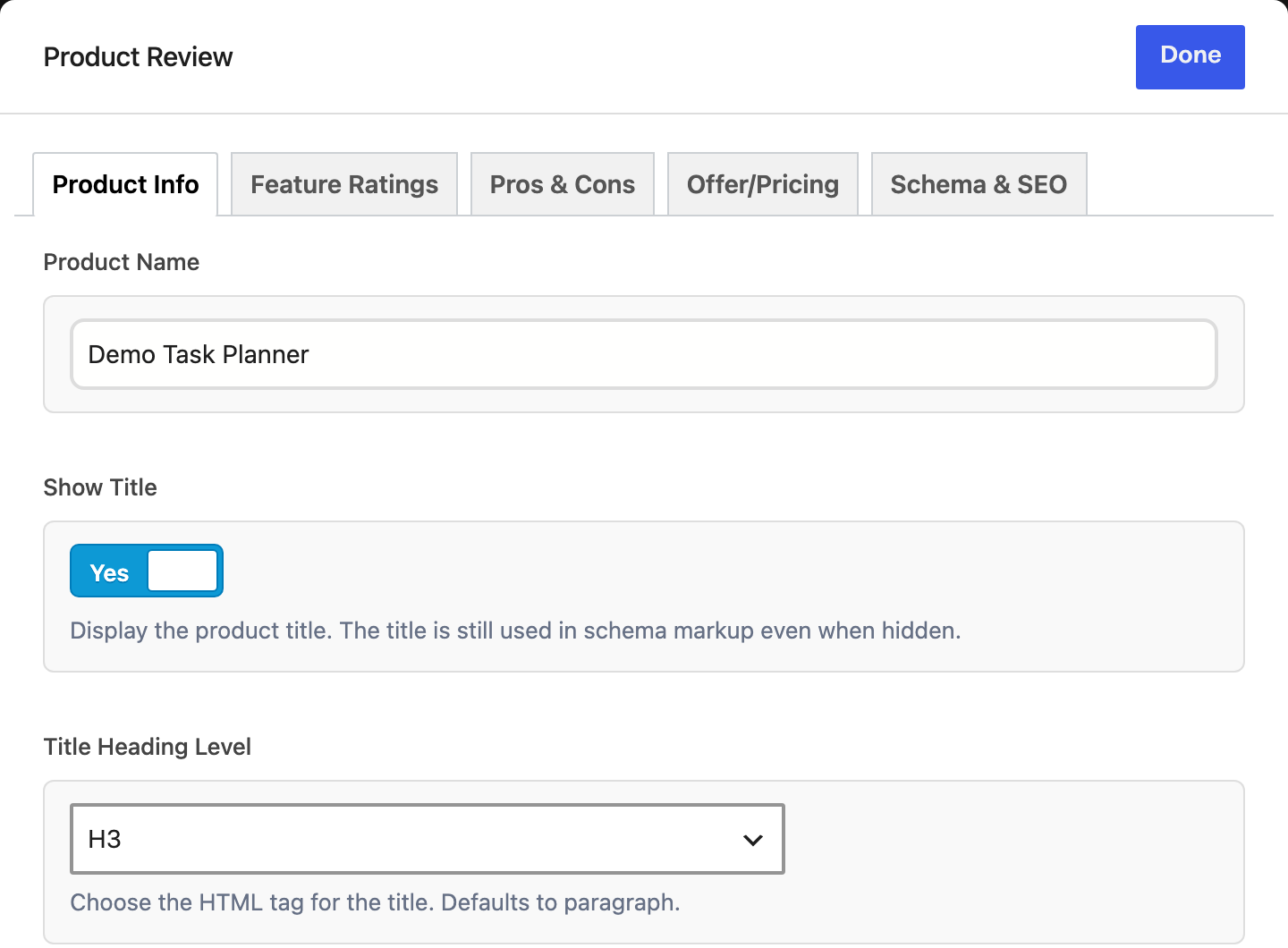
- Use the product information fields for identity and a useful description.
- Describe strengths and limitations in terms of the reader’s work.
- Add feature ratings only when their criteria and evidence are clear.
- Use a current destination for the product action and explain any commercial relationship.
A review box should summarize the decision, not replace the explanation. Keep the detailed evidence and the conditions of your recommendation in ordinary article content.
Keep the Content Editable
Core-block patterns can hold a reusable review structure when dedicated fields are unnecessary. An unsynced pattern gives each article an independent starting point. A field-based block can be a better choice when several editors need the same structured inputs.
Plugin-backed dynamic blocks still need their renderer. Before changing the theme or removing a block plugin, check the articles that depend on it and plan a conversion where needed. The theme customization guide explains the theme side, and the WordPress redesign guide covers the wider change.
Handle Review Schema Separately
A visible rating and a structured-data rating should describe the same review. Assign schema to the appropriate plugin or block and avoid having several tools publish conflicting data for the same product.
Valid markup does not guarantee a search result feature. Use the product schema guide for the data requirements and the WordPress SEO plugin comparison when deciding which system should own metadata.
Add Monetization Without Changing the Verdict
Affiliate links, direct product sales and sponsorships can support a publication, but the commercial route should follow the recommendation. Disclose relevant relationships and keep a stronger alternative visible even when it earns less.
A product button should lead to the next useful step. If you sell your own downloads, the WordPress ecommerce guide explains the separate transaction layer. A review layout by itself does not provide checkout or order delivery.
Before You Publish
Review a representative article with the same content complexity your publication will use.
- Read the verdict beside the evidence and check that neither overstates the other.
- Check product links, disclosures and any displayed price.
- Review images, comparison tables and keyboard access on a narrow screen.
- Confirm that metadata and structured data agree with the visible review.
Frequently Asked Questions
These questions cover the publishing decisions that sit around the review itself.
Can I create a review website with WordPress?
Yes. WordPress works well for review websites because it supports custom post types, review plugins, comparison tables, affiliate links, SEO plugins, and schema markup. The important part is building a consistent editorial and review process.
How do review websites make money?
Review websites usually make money through affiliate commissions, display ads, sponsored placements, lead generation, memberships, or selling related products. The safest long-term model is transparent and keeps recommendations useful.
What should every review page include?
Every review page should include who the product is for, key features, pros and cons, pricing context, alternatives, first-hand notes when available, affiliate disclosure, and a clear verdict. Comparison tables help readers decide faster.
Final Remarks
You now have a workable separation between the publication design, the review structure and the buying route. Start with a review whose evidence you can defend, then reuse the parts that genuinely help the next article.
Your readers should leave knowing whether the product fits their work and why.
Tell Google you want more of this.
Add Gatilab as a preferred sourceOne tap, and this site shows up more often in your own Top Stories, AI Overviews and AI Mode. Remove it any time.