
Lessons From Building a Business Since 2008: What Actually Worked
Most small businesses get into trouble in the same few places. Cash runs out before invoices are paid, the wrong clients fill the calendar and the owner becomes the bottleneck for every decision. Each of those problems has a known fix, and none of the fixes needs a bigger team.
I’ve been building on the web since 2008, and these are the lessons I’d hand anyone running a service business or a small agency. Each one ends with something you can change this month.
Start with the one that hurts most right now.
Cash Flow Is Everything
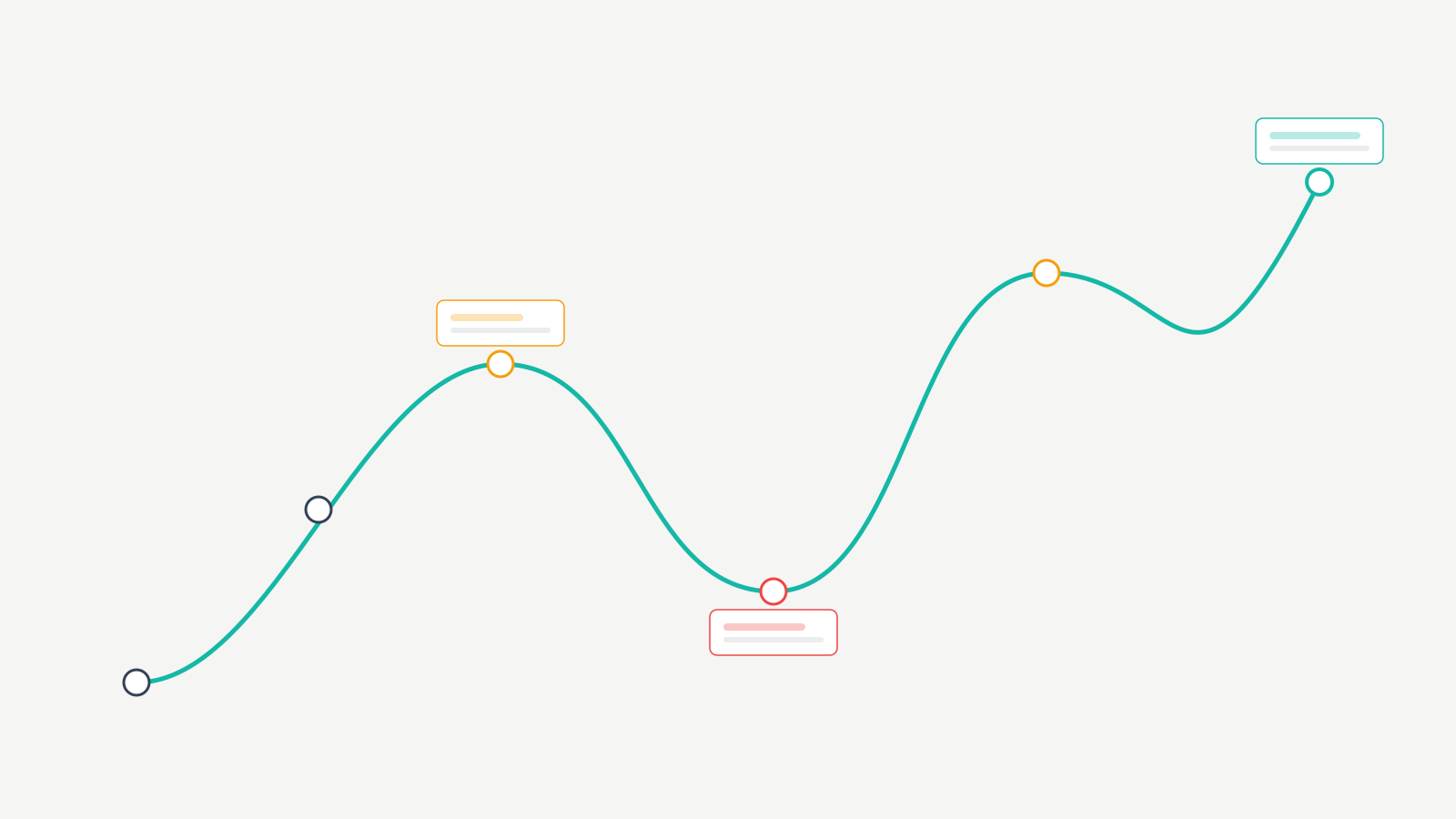
Cash flow decides whether a business survives the month. Revenue on paper means nothing when the bank balance can’t cover rent, salaries and the hosting bill due next week. A service business can have happy clients and months of outstanding invoices, and still miss payroll because the money hasn’t arrived.
The usual cause is payment terms. Net-60 feels professional when you agree to it. Two months is a long wait when your own bills are due every 30 days.
These are the defaults I’d set before taking the next project:
| Practice | Risky Default | Safer Default | Why It Helps |
|---|---|---|---|
| Payment terms | Net-45 or net-60 | Net-15 | Money arrives before your own bills pile up |
| Deposits | None | 50% upfront on fixed-price work | Your costs are covered if the client disappears mid-project |
| Cash tracking | A monthly look at the bank balance | A weekly cash forecast | Shortfalls show up while you can still act |
| Late payments | No consequence | A late fee in the contract, where local law allows it | Paying on time becomes the easier choice |
When you know how much money you have and when the next payment lands, you stop making desperate decisions. You can say no to bad clients and wait for good opportunities. For tracking all of this, good accounting software makes the job manageable.
Your First Clients Won’t Be Your Best Clients
New businesses tend to say yes to everything: a cheap logo, a website paid in gift cards, a quick favor for a friend’s company. It feels like momentum. Mostly it teaches you what you don’t want.
Price is a strong signal of how a client will treat your time. The lowest-paying clients often ask for the most revisions, the fastest replies and the most free extras. Fairly priced clients usually respect scope, pay on time and refer people like themselves. It isn’t a law, but it holds often enough to build your business around it.
Watch for these signals on the first call:
| Client Signal | What It Usually Predicts |
|---|---|
| Pushes hard on price before discussing the problem | Scope creep and slow payment |
| Wants unlimited revisions | No clear definition of done |
| Asks about outcomes and timelines | A working relationship you can renew |
| Pays a deposit without fuss | Respect for your process |
One bad-fit client can take the time and energy your best clients need. Screening early is cheaper than firing late.
Systems Beat Talent Every Time
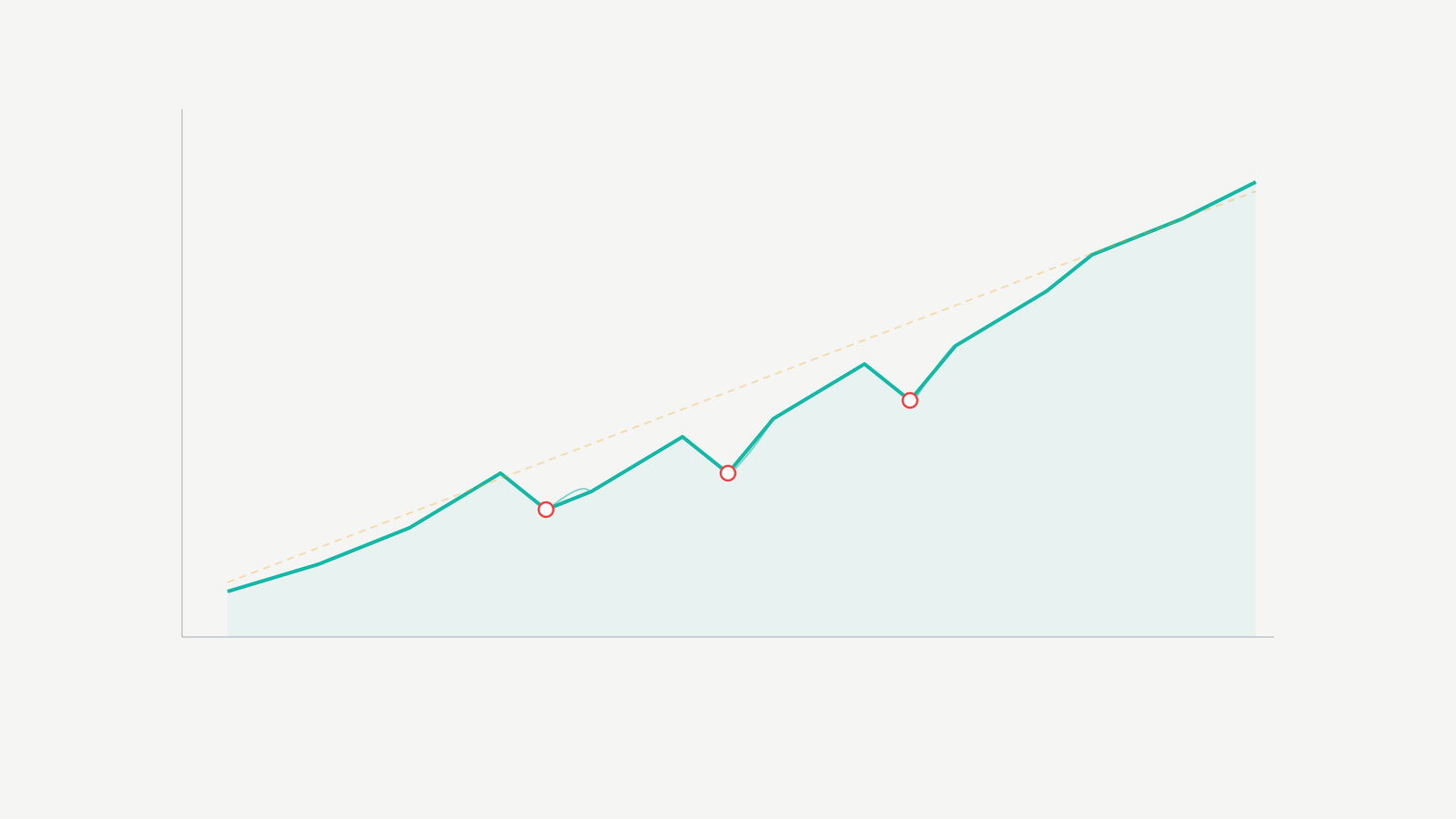
Plenty of talented people struggle financially, while people with average skills build steady businesses. The gap is usually systems.
When everything runs from memory, capacity tops out quickly. Emails sit unanswered, invoices go out late and follow-ups fall through the cracks. You end up working constantly and still dropping balls.
These are the systems worth building first:
- Proposal and contract templates
- Automated follow-ups for leads and unpaid invoices
- One project board where every task lives
- Recurring calendar blocks for each type of work
Systems don’t make you more talented. They make your talent reliable, and reliability is what clients pay for. For the tools that support this, see the best project management tools for teams.
Raise Your Prices Before You’re Ready
Most service businesses wait too long to raise rates. Every year at the same price is a small pay cut, because inflation eats the margin while your skills keep improving.
A price increase usually costs you a few clients who were price-shopping anyway. New clients who come in at the higher rate rarely question it, since they never saw the old one. Fewer clients at better rates often means more revenue with less stress.
My rule of thumb: if you haven’t raised rates in 2 years, you’re overdue. Apply the new rate to new clients first, then give existing clients a date and a reason. Some will leave. The ones who stay, and the new ones at the higher rate, make up for it.
Specialization Multiplies Your Value
Generalists compete on price. Specialists compete on expertise. A generalist doing logos, websites, SEO, social media and content is decent at all of it and great at none of it, and there’s always someone cheaper offering the same list.
Specializing changes how the whole business runs:
| Factor | Generalist | Specialist |
|---|---|---|
| How clients find you | Mostly outbound pitching | More referrals and inbound leads |
| Price conversation | Compared against cheaper options | Anchored to the problem you solve |
| Time per project | Each job starts from scratch | Repeatable process and reusable assets |
| Competition | Many lookalike providers | Fewer real alternatives |
Instead of “I do digital marketing,” you can say “I help content sites load faster and earn more.” That specificity attracts clients who have exactly that problem and will pay to solve it. For WordPress specifically, the WordPress freelancing guide covers specialization in depth.
Your Network Is Your Net Worth
The best opportunities rarely come from cold outreach. They come from people you helped years earlier:
- A small client who later refers a bigger company
- A peer who remembers you when their client needs your skill
- A contact who makes an introduction you never asked for
Relationships compound like interest. The trick is to be useful without keeping score and to trust that good work comes back around, usually later than you’d like and from a direction you didn’t expect.
Make it a habit to help someone every week with no expectation of return. Answer a question, review a site or make an introduction. The time cost is small and the returns build for years.
Saying No Is a Skill
Every yes to the wrong thing is a no to the right thing. Poor-fit projects take longer than expected, pay less than they should and drain energy you could spend on better work.
Saying no feels like leaving money on the table. In practice, every bad project you decline opens space for a good one.
The filter I recommend is three questions:
- Would I be excited to do this work?
- Is this price fair for my time?
- Do I want to work with this person?
If any of the three answers is no, pass. Life’s too short to do work you resent for people you don’t enjoy at rates that feel insulting.
Health Is a Business Asset
Founders often treat health as something to fix once the business is stable. Late nights, junk food, no exercise and constant stress feel like the price of success. They work more like a loan with heavy interest.
When health breaks down, productivity goes with it, and the quality of your thinking drops exactly when the business needs it most. Prevention is cheaper than repair, in money and in lost working months.
Treat health like a business investment. Protect sleep. Move every day, even if it’s just a walk. Eat like the food fuels your work. A rested owner makes better decisions, works faster and handles stress better.
Running on empty puts everything you’ve built at risk.
Most Failures Are Recoverable
Products nobody buys, clients lost over avoidable mistakes, financial decisions that cost real money: each one feels catastrophic in the moment. Very few are.
Each failure carries a specific lesson:
- A product that doesn’t sell teaches you to validate before building.
- A lost client teaches you to communicate earlier and more clearly.
- A costly financial decision teaches you to track everything.
When you’re in the middle of a failure, it feels permanent. Most business failures are recoverable if you learn the lesson and adjust. The only unrecoverable one is giving up entirely. Everything else is expensive education.
The Long Game Always Wins
People who chase quick money often burn out within a couple of years. People who build slowly compound their way to something durable over a decade. The slow builders usually win.
Quick money tends to carry hidden costs:
- Reputation damage
- Client relationships that can’t be maintained
- Business models that don’t scale
The boring path of doing good work for fair clients, year after year, builds something that lasts. Each year adds to your reputation, your network, your skills and your income. The compounding is invisible at first and obvious after ten years.
Most durable businesses are built by showing up every year: getting a little better, building on previous work and keeping relationships warm.
Know When to Walk Away
Not every project should be finished. Not every client relationship should be maintained. Not every business model should be saved. Sometimes the best decision is to cut your losses.
Ending a project that isn’t working, firing a client who makes your life miserable or shutting down a revenue stream that isn’t worth the effort all free up energy for something better.
The sunk cost fallacy will tell you to keep going because you’ve already invested so much. But throwing good time after bad investments doesn’t make them good. It just makes the hole deeper. Learn more about how to fire a client the right way.
Simplicity Beats Complexity
Adding services, tools, processes and overhead feels like progress. Usually it just creates more things that can break.
The businesses that work best are simple. One core offering, done well. One target market, understood deeply. A handful of tools that actually get used.
Stripping a business down to its essentials often improves profit even when revenue stays flat, because fewer moving parts means less overhead and fewer things breaking. Focused effort beats scattered attention.
Recurring Revenue Changes Everything
A project-only business starts every month at zero. However good last month was, the slate wipes clean and you have to sell constantly just to stay in place.
Building recurring revenue changes that. Retainers, subscriptions and ongoing agreements mean each new month starts with a foundation.
| Revenue Model | Monthly Stress | Predictability | Where It Fits |
|---|---|---|---|
| Project-only | High | Low, every month starts at zero | Early stage, while you test what sells |
| Mixed | Medium | A recurring base plus project upside | Most growing service businesses |
| Retainer-first | Low | High, most revenue is known in advance | Established offers with ongoing client needs |
The compounding effect is powerful. Add one retainer and it keeps paying. Add another and the base grows. Eventually you’re building on something instead of rebuilding from nothing. If your business model allows recurring revenue, pursue it aggressively.
Document Everything
Knowledge that lives only in your head is a liability. If only you know how something works, you’re a single point of failure.
Without documentation, every new hire needs everything explained from scratch, and every vacation turns into a string of quick questions.
Start documenting before you need help:
- Standard operating procedures for recurring tasks
- Templates for common deliverables
- A knowledge base for client information
Documentation takes time to create and saves far more over the years. It also makes the business sellable. A business that lives in the owner’s head can only be shut down.
Automation Is Underrated
Most repetitive work in a service business can be automated:
- Email sequences that run without you
- Invoices and payment reminders that send themselves
- Social posts scheduled in advance
- Reports that generate automatically
Small automations add up. If each one saves 30 minutes a week, 10 of them give back about 5 hours a week, or roughly 260 hours a year. That’s more than six full 40-hour weeks.
Look at everything you do repeatedly and ask if software could do it instead. The answer is usually yes, and the investment is usually worth it.
Luck Matters More Than You Think
Hard work is necessary but not sufficient. Some people work harder than their competitors and still fail, while others succeed with less effort. The difference often comes down to timing, connections or circumstances nobody controls.
This isn’t an excuse to stop trying. Effort creates opportunities for luck to matter. But acknowledging luck’s role keeps you humble when things go well and resilient when they don’t.
Do the work. Stack the odds in your favor. But remember that randomness plays a larger role than any of us want to admit.
Your Business Reflects You
Businesses tend to reflect their owners. Chaotic people build chaotic businesses. Organized people build organized businesses. Generous people attract loyal customers. Difficult people attract difficult clients.
This is both empowering and uncomfortable. If your business has patterns you don’t like, look at yourself first. The problem is rarely “out there.”
Working on yourself usually improves the business. Better boundaries in personal life turn into better boundaries with clients. Clearer thinking produces clearer offerings. More patience builds better relationships.
You Don’t Need Permission
Many owners wait for permission that never comes:
- Permission to charge more
- Permission to say no to bad clients
- Permission to change the business model
Nobody gives it. The permission you’re waiting for doesn’t exist. You’re the one running the business, and you make the decisions.
Some decisions will be wrong. That’s fine. Wrong decisions you own are better than good decisions you waited for approval to make. The waiting is usually more costly than the mistakes.
Business Is Personal
The idea that you should separate business from personal is naive. Your business is deeply personal. It affects your stress, your relationships and your sense of identity. Pretending otherwise doesn’t change the reality.
This means business problems become life problems. But it also means solving business problems improves your life. The skills you build, the discipline you develop and the resilience you gain transfer everywhere.
Embrace it. Build something you’re proud of. Work with people you respect. Create impact that matters to you.
Expensive Mistakes Worth Avoiding
A few mistakes show up in almost every small business story. Each has a cost and a fix:
| Mistake | What It Costs | The Fix |
|---|---|---|
| Leaving prices unchanged for years | Lost revenue every month and clients anchored to old rates | Review rates every year |
| Starting a large project without a deposit | Unpaid work if the client disappears mid-project | 50% upfront on fixed-price work |
| Building a product nobody asked for | Months of development time | Validate demand before building |
| Ignoring health | Medical costs and months of reduced capacity | Treat sleep and exercise as part of the job |
| Doing everything yourself | Growth stalls at your personal capacity | Delegate once a task repeats |
| No SOPs | You can’t step away without things breaking | Document processes as you go |
None of these is fatal on its own. Together they can quietly cost a business years. Catch them early and each one becomes cheap education.
What I’d Tell a First-Year Business Owner
If I could hand a first-year owner one page, it would be this list:
- Charge more than feels comfortable. Then charge more again.
- Get 50% upfront on every fixed-price project.
- Pick a specialty early.
- Build recurring revenue from day one.
- Document your processes before you need someone else to run them.
- Your health is your business. Treat it that way.
- Help people for free. The returns show up years later.
- Say no to most of what comes your way so you can say yes properly to what matters.
The years ahead will bring lessons nobody can predict. That’s what makes this interesting. But the foundation doesn’t change. Do good work. Charge what you’re worth. Take care of yourself. Build relationships. Play the long game.
If you’re in year 1 or year 5, know this: it gets easier. The work doesn’t get easier. You get better at choosing which work to do, and that’s the whole game.
What’s the single biggest lesson from running a business since 2008?
Cash flow management. Revenue on paper means nothing if you can’t pay this month’s bills. Shorter payment terms such as net-15, a 50% deposit on fixed-price projects and a weekly cash forecast close most of the gap between money owed and money received.
How do you know when to raise your prices?
If you haven’t raised rates in 2 years, you’re already overdue. Skills improve, costs rise and standing still means going backwards. Expect to lose a few price-sensitive clients. The clients who stay and the new ones at the higher rate usually make up for it.
Is specialization really better than being a generalist?
For most service businesses, yes. Specialists can price around the problem they solve instead of competing on hourly rates. They reuse processes, so projects take less time. They also attract more inbound leads because clients can tell exactly what they do.
What’s the best way to build a professional network that actually generates revenue?
Help people without expecting anything in return. Answer questions, make introductions and do good work for small clients. Referrals from those relationships tend to arrive years later, and they compound.
How do you handle business failures without giving up?
Treat them as expensive education. Most failures feel catastrophic in the moment and turn out to be recoverable. A product that doesn’t sell teaches validation. A client who disappears mid-project teaches deposits. The only unrecoverable failure is giving up entirely.
Tell Google you want more of this.
Add Gatilab as a preferred sourceOne tap, and this site shows up more often in your own Top Stories, AI Overviews and AI Mode. Remove it any time.