
Personal Branding That Gets Clients
In 2011 I was charging $15/hour for WordPress development. Same skills as today. Same work ethic. The difference was that nobody knew who I was. By 2015 I’d raised my rate to $150/hour and had a 3-month waitlist. The work didn’t change that much. The brand did.
Personal branding isn’t about fame or follower counts. It’s about being the first name that comes to mind when your ideal client thinks about the problem you solve. I’ve spent 16+ years building a brand in the WordPress and SEO space. Here’s what actually works, what doesn’t, and the exact mistakes I made along the way.
What Personal Brand Actually Means (And Doesn’t)
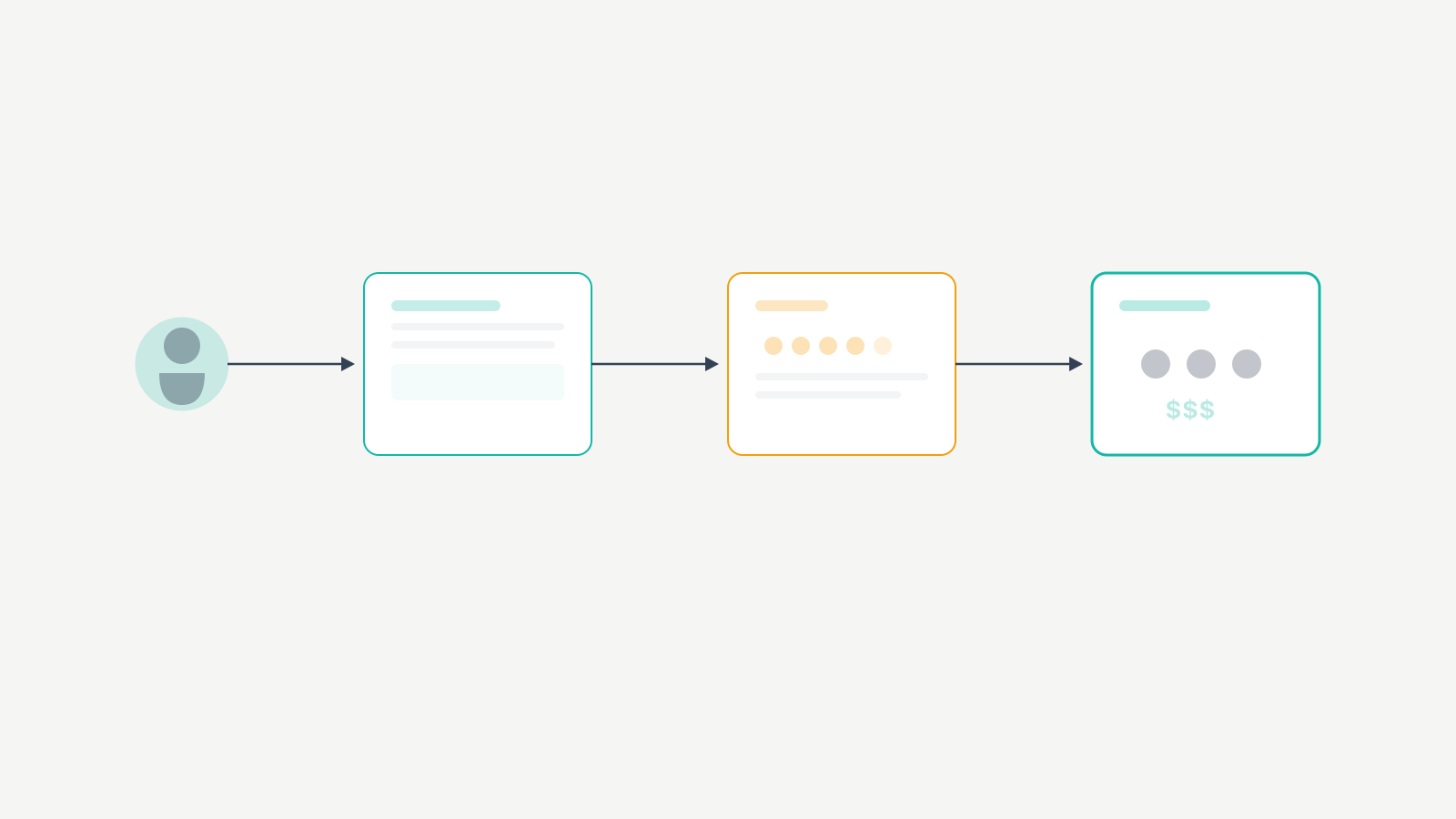
Your personal brand is your professional reputation made visible and searchable. It’s what people say about you when you’re not in the room. Everyone already has one. The question is whether you’re shaping it or letting random impressions do the job for you.
I’ll put it bluntly: 100 people who think of you first when they need your service are worth more than 10,000 who vaguely recognize your name. The math works out every time. A focused audience of buyers beats a broad audience of scrollers.
| What Personal Brand IS | What Personal Brand ISN’T |
|---|---|
| Consistent communication of expertise | Ego or self-promotion |
| Making it easy for people to understand and remember you | Performing a fake version of yourself |
| Building trust before the sales conversation | Only for celebrities or influencers |
| Creating differentiation in a crowded market | Chasing follower counts |
| Having a clear point of view on your field | Requiring constant social media presence |
| Being recognizable for specific value | Being the loudest voice in the room |
Positioning: The Foundation That Changes Everything
Before you build visibility, clarify what you want to be known for. Without clear positioning, all the content creation in the world won’t build a coherent brand. I learned this the hard way.
In my first 3 years of freelancing, my tagline was “I build websites.” That competed with millions of people worldwide. When I narrowed to “WordPress performance and SEO architecture,” inquiries from ideal clients jumped 4x in six months. Narrow positioning feels risky. It’s the opposite.
Pick a focus. “I help small businesses with marketing” competes with everyone. “I help B2B SaaS startups build demand generation programs” is memorable and specific.
Identify your ideal client. Which industries, company sizes, roles, and problems? The clearer this picture, the more targeted your branding becomes. When you speak to everyone, you connect with no one.
Articulate your unique angle. What perspective or methodology distinguishes you? Your background, philosophy, or point of view. This doesn’t mean inventing something new. It means being clear about your specific approach.
Define the transformation. What outcome do clients achieve by working with you? People don’t buy services. They buy before-and-after.
Write a positioning statement: “I help [specific audience] achieve [specific outcome] through [your unique approach].” Every piece of content should reinforce this positioning.
Platform Selection: Where to Build
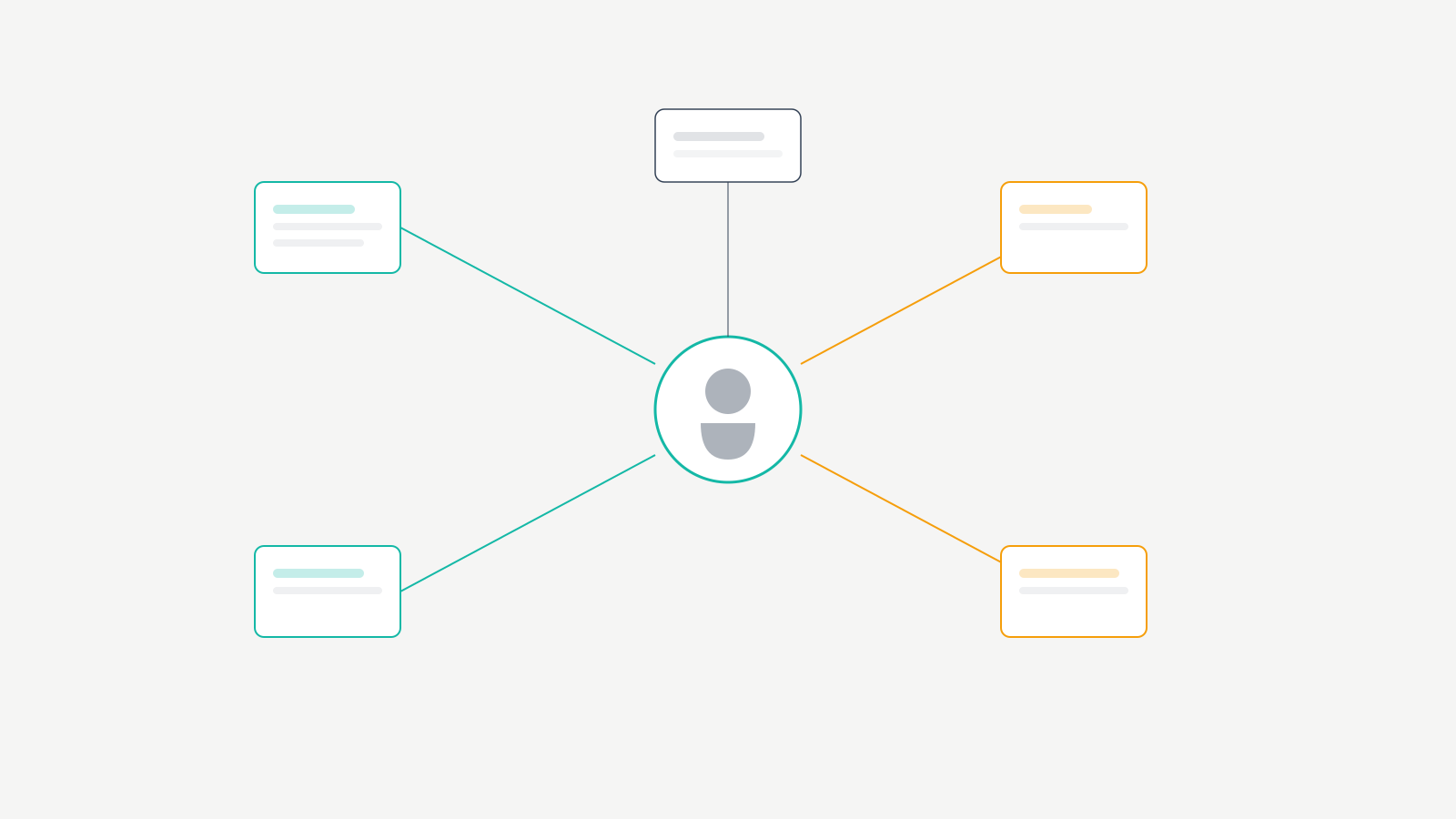
Your platform is where your brand lives and attracts clients. Start with 1 primary platform, master it, then expand. I see people post inconsistently across 5 platforms and wonder why nothing works. One platform done well beats five done poorly.
| Platform | Best For | Key Advantage | Drawback |
|---|---|---|---|
| Website/Blog | Everyone | You own it. No algorithm throttling. SEO compounds over time. | Slow organic growth without distribution |
| B2B, professional services, consultants | Built-in professional audience. Content reaches beyond connections. | Corporate tone can limit personality | |
| Twitter/X | Tech, media, creative industries | Real-time conversation. Personality shines. | Fast pace demands frequent posting |
| Newsletter | Everyone (start day one) | Direct relationship. No algorithm. You own the list. | Takes months to build meaningful list size |
| YouTube/Podcast | Long-form expertise, personality-driven brands | Content stays discoverable for years. | Higher production effort per piece |
I started with a blog in 2010. That single decision built the SEO equity that still drives 60%+ of my inbound leads today. If I’d spread myself across every platform from the start, I’d have built nothing substantial on any of them.
Content That Attracts Clients (Not Just Likes)
Content is how strangers encounter your brand and develop trust. The right content establishes credibility before you ever have a sales conversation. Here’s the breakdown that works.
Teach what you know. Share expertise freely. Specific, actionable advice that helps people solve real problems. Don’t worry about “giving away” too much. Teaching creates trust and demonstrates expertise simultaneously. I’ve published over 500 articles for free. Not once has a client said “I already know everything from your blog, so I don’t need to hire you.” The opposite happens. They hire you because they’ve already seen how you think.
Share your perspective. Take positions on industry topics. Challenge conventional wisdom when you disagree. Agreeable, hedged opinions blend into noise. Strong takes backed by reasoning make you memorable. When I publicly wrote that most WordPress “speed optimization” plugins are snake oil, it generated backlash and a wave of clients who said “finally, someone who actually knows this stuff.”
Tell stories with specifics. Not “a client saw great results.” Instead: “A SaaS client went from 2,400 to 14,000 organic visits/month in 8 months after restructuring their content architecture.” Specifics build trust. Vague claims don’t.
Document your work. Process insights, behind-the-scenes, and work-in-progress. Let people see how you think and work, not just the polished final result.
Consistency over virality. Regular output builds audience expectation and platform favor. Weekly minimum for your primary platform. People who post sporadically disappear from feeds and memory. Content compounds like interest. Each piece builds on previous ones.
Building Authority That Compounds
Authority means people believe you know what you’re talking about. It’s earned through consistent demonstration over time. There are no shortcuts here.
Go deep, not wide. Surface content on many topics creates zero authority. 20 articles on one subject establish you as an expert. 20 articles on twenty subjects establish nothing. I wrote about WordPress performance for 3 years before anyone recognized me as an authority. After that, the recognition compounded rapidly.
Get featured. Podcast appearances, guest posts, media quotes. Each appearance strengthens authority. Being invited to share expertise signals that others recognize it. My first podcast appearance led to $8,000 in project work within 2 months.
Speak at events. Conferences, meetups, webinars. Start local or online. Speaking establishes authority faster than almost any other activity. WordCamp talks in 2014 and 2015 generated more client trust than anything else I did those years.
Create original research. Surveys, studies, data analysis. Original insights get cited and shared. You become the source rather than someone commenting on sources.
Earn relevant credentials. Certifications, publications, or achievements provide shorthand credibility for people who don’t know your work yet. Don’t overemphasize them, but don’t hide them either.
Networking That Actually Drives Business
Relationships amplify personal brand more than any algorithm. The people who know you become the distribution channel for your reputation. I’ve tracked this: 40%+ of my project revenue over 16 years came from referrals. Not ads. Not SEO. People telling other people.
Be genuinely helpful. Connect people. Share opportunities. Provide value without expectation. People remember and recommend those who helped them.
Engage with peers. Comment thoughtfully on others’ content. Share their work. Build relationships with people at similar stages. These peer relationships become support networks and referral sources.
Attend strategically. Conferences and events where your ideal clients or referral sources gather. One meaningful conversation beats a stack of business cards.
Follow up always. Convert event connections to ongoing relationships. Most people don’t follow up. Doing so puts you ahead of 90% of your competition.
Build a referral network. Others who serve your ideal clients differently. Complementary service providers. When they can’t help, they recommend you. Referrals from trusted sources convert better than any marketing channel.
Converting Brand to Clients
Brand awareness alone doesn’t create business. Visibility without conversion is vanity. You need to bridge the gap intentionally.
Clear call to action. How should interested people engage? Consultation booking, email subscription, contact form. Don’t make people guess how to work with you. I added a “Book a Call” button to my site header in 2018 and inbound inquiries increased 35% the same month. The people were already there. I just wasn’t making it easy.
Portfolio and case studies. Work examples that demonstrate capability. Results achieved, problems solved. Show what you’ve done for others with specific numbers.
Testimonials. Client words carry more weight than yours. Collect and display prominently after every successful project.
Service pages. Clear descriptions of what you offer and for whom. When people are ready to buy, they need details.
Lead magnets. Free resources that provide value and capture contact information. A checklist, template, or guide related to your expertise. My WordPress performance audit checklist generates 200+ email signups/month and has for 3 years running.
Pricing transparency. Either publish prices or explain how pricing works. Reduce uncertainty for potential clients. I publish starting rates openly. It filters out bad-fit clients and attracts ones who value quality.
The Content Engine: Systems Over Willpower
Sustainable personal branding requires a system. Willpower fails. Systems don’t.
Batch creation. Create multiple pieces at once rather than daily scrambling. I write all my content for the week in one 3-hour session every Monday morning. Batching creates efficiency and consistency.
Repurpose aggressively. One blog post becomes a LinkedIn post, a newsletter issue, a Twitter thread, and 3 short-form clips. Multiply value from every piece of content you create.
Use templates. Repeatable formats reduce creative friction. “Here’s a mistake I made,” “Three things I learned about X,” “Controversial opinion about Y.” Formats help when inspiration is low.
Build a content queue. Maintain a running list of ideas so you’re never starting from blank. I keep a note on my phone and add ideas whenever they come. The queue has over 200 untouched ideas right now.
Schedule in advance. Don’t depend on real-time posting. Scheduling tools maintain consistency when life gets busy.
Accept imperfection. Published content beats perfect drafts. Done is better than polished. Consistency matters more than individual post quality.
Measuring What Matters
Track metrics that connect to business outcomes, not just visibility. Likes are nice. Revenue is better.
| Metric | What It Tells You | Target Signal |
|---|---|---|
| Inbound inquiries | People finding you through content or reputation | Growing month over month |
| Inbound vs. outbound ratio | Whether your brand is doing the selling for you | Inbound exceeds outbound |
| Referral frequency | How often others recommend you | Increasing referrals quarter over quarter |
| Rate resistance | How much clients push back on pricing | Less pushback over time |
| Speaking/media invitations | External recognition of your authority | Invitations arriving unprompted |
| Search visibility for [name + specialty] | Whether you own your own topic online | Page 1 for your name + service keywords |
| Email list growth | Audience building as tangible brand building | Steady monthly subscriber growth |
I track these monthly. In 2024, my inbound-to-outbound ratio hit 8:1. That’s 8 clients finding me for every 1 I pursued. That ratio was 1:5 in my first year. The brand did that work over time.
Honest Mistakes I Made Building My Brand
I’ve made every branding mistake you can make. Here’s what cost me the most time and money.
Staying generic for too long. I spent 2 years as “a web developer.” No positioning, no differentiation. I was competing on price with freelancers globally, and losing. Narrowing my focus to WordPress performance and SEO architecture was the single biggest revenue inflection point in my career.
Ignoring email for 4 years. I blogged consistently but didn’t start an email list until 2014. All those early readers came, learned, and left with no way to reach them again. I estimate this cost me tens of thousands of dollars in unrealized relationships.
Copying someone else’s style. I tried to write like a popular tech blogger in 2012. The content felt forced, engagement was flat, and I burned out in 3 months. Finding my own voice took another year, but it’s the only approach that sustains long-term.
Chasing vanity metrics. I spent 6 months optimizing for Twitter followers instead of client inquiries. Hit 5,000 followers. Generated zero revenue from it. Redirected that energy to deeper blog content and closed $25,000 in projects within 4 months.
Not asking for testimonials. For my first 3 years I did great work and never asked a single client for a testimonial. When I finally built a testimonials page, my close rate on proposals increased 20%. Social proof isn’t optional.
Perfectionism paralysis. I killed dozens of blog posts because they weren’t “ready.” My most successful article ever was one I almost didn’t publish because I thought it was too rough. Published beats perfect, every single time.
Consistency and Patience: The Actual Differentiator
Personal branding is a long game. Those who expect quick wins quit before momentum builds. The overnight successes you see took years of invisible work.
Visual consistency. Same photo across platforms. Consistent colors and styles. Recognition requires repetition. When people see your content, they should recognize you before reading your name.
Message consistency. Same positioning everywhere. Every piece of content reinforces your focus. Mixed messages confuse audiences and dilute brand equity.
Presence consistency. Show up regularly. The person who posts weekly for 1 year builds more brand than the person who posts daily for 1 month then disappears.
The timeline is real. Expect 6 months of consistent effort before seeing meaningful results. Full momentum takes 2 to 3 years. I didn’t see serious inbound inquiry volume until year 3. After that, it compounded rapidly. Year 5 was unrecognizable compared to year 1.
Track and refine. Which content gets engagement? Which sources drive inquiries? Pay attention to what resonates. Double down on what works. Cut what doesn’t.
The Brand You Build Now Changes Your Next Decade
Personal brand is a career asset that compounds over years. The reputation you build follows you through career changes, company shifts, and market evolution. Unlike almost any other investment, brand building pays returns indefinitely.
The consultant who’s been building a brand consistently for 3 years operates in a different world than the one starting from zero. Clients approach them. Opportunities find them. Premium positioning becomes natural.
I went from $15/hour to running a consultancy where clients sign $10,000+ retainers. The skills matter, obviously. But the brand is what lets the right clients find you and trust you before you ever get on a call.
Start now. Publish before you’re ready. Pick one platform, commit to it for 6 months, and watch what happens. Your future self will thank you for not waiting another year.
How long does it take to build a personal brand that generates clients?
u003cpu003eExpect 6 to 12 months of consistent effort before seeing significant inbound results. Full momentum takes 2 to 3 years. I didn’t see serious inquiry volume until year 3, but after that the compounding was rapid. Year 5 was unrecognizable compared to year 1. Persistence is the primary differentiator between brands that generate revenue and those that don’t.u003c/pu003e
What platform should I focus on for personal branding?
u003cpu003eChoose one platform where your ideal clients spend time. LinkedIn works best for B2B and professional services. Twitter/X suits tech and creative fields. A website/blog is non-negotiable for everyone as your home base. Start with one distribution platform, master it, then expand. Spreading across 5 platforms before mastering 1 is the fastest way to build nothing.u003c/pu003e
How do I differentiate my personal brand from competitors?
u003cpu003eGet specific about who you serve and how you’re different. Focus on a narrow niche rather than broad positioning. Share your unique perspective on industry topics. Your specific combination of expertise, experience, and personality is naturally unique. When I narrowed from ‘web developer’ to ‘WordPress performance and SEO architecture,’ inquiries from ideal clients jumped 4x in six months.u003c/pu003e
What content should I create for personal branding?
u003cpu003eTeach what you know with actionable advice. Share perspectives on industry topics, especially contrarian ones backed by evidence. Tell client stories with specific numbers, not vague claims. Document your work process. Mix educational content with personality. Consistency matters more than format. Repurpose one idea across multiple formats to maximize reach per unit of effort.u003c/pu003e
How do I turn personal brand into actual paying clients?
u003cpu003eInclude clear calls to action in your content. Make it easy to book consultations or contact you. Display testimonials and case studies with specific results. Create lead magnets that capture emails. Have clear service pages explaining offerings and pricing. Adding a ‘Book a Call’ button to my site header increased inbound inquiries 35% the same month. Brand opens doors. Your sales process closes deals.u003c/pu003e
How much time should I spend on personal branding weekly?
u003cpu003eStart with 3 to 5 hours weekly. I batch all content creation into one 3-hour Monday morning session, then spend 1 to 2 hours on engagement and networking throughout the week. As systems develop, this becomes more efficient. The key is consistency over intensity. Regular small efforts compound better than occasional large pushes.u003c/pu003e