
11 Best Blogs in India Worth Following
Most lists of the best blogs in India were written once and never checked again, so they still send you to sites that stopped posting years ago. Every blog on this page was checked on October 2, 2026 for its last post, who runs it and how it makes money, and the famous names that went quiet are named rather than quietly dropped.
The 11 in the main list are the ones worth a place in your feed right now, grouped the way readers actually search: startups, finance, tech, blogging and a few independent writers by niche. The order is an editorial call made from public evidence, not a traffic estimate. One of the 11 is my own site, and the entry says so.
Table of Contents
How I Picked These Blogs
Four signals decide the list, and none of them is a traffic number from a third-party tool. A blog had to show a dated post in the last 6 months on its own feed or site, a named person or team behind it, work that adds reporting, expertise or a distinctive explanation rather than rewritten headlines, and a business model a reader can see. The same checks run across the wider Gatilab blog rankings, which track more sites than fit here.
Each entry carries the date of the latest post I could find, because “active” means different things on a daily newsroom and a one-person tutorial site. Where a blog has slowed down, the entry says by how much instead of calling it active and hoping you don’t check.
Who Is India’s Number One Blogger?
Amit Agarwal. He left a corporate job in 2004 to run Digital Inspiration (labnol.org) full time, and his own About page calls him the first professional blogger in India. Every other candidate for the title started later, and most of them cite him. If you want the bloggers as people, with what they earn and how they got there, that is a separate list on my other site, the best Indian bloggers. This page is about the blogs themselves.
One clarification before the list, because search results mix the two up: a blogger writes a website, a vlogger makes videos. Sourav Joshi and Flying Beast are vloggers. Nobody on this page is ranked for a YouTube channel.
The 11 Best Blogs in India
Each entry lists who runs the blog, when it started, the date of its latest post as of October 2, 2026 and how it earns. Read the limitation line before you add any of them to your feed.
YourStory
YourStory started in 2008 as Shradha Sharma’s blog about young entrepreneurs and grew into the broadest startup publication in India, with company news, founder profiles, verticals, a video arm and the TechSparks conference. It still posts daily.

- Run by: Shradha Sharma, founder and CEO, since 2008.
- Last post: October 1, 2026.
- Makes money from: advertising, branded programs and events such as TechSparks and SheSparks.
- Best for: Indian startup and founder coverage at volume.
- Limitation: branded programs sit beside reported stories, so check the label on a piece before you quote it.
Digital Inspiration (Labnol)
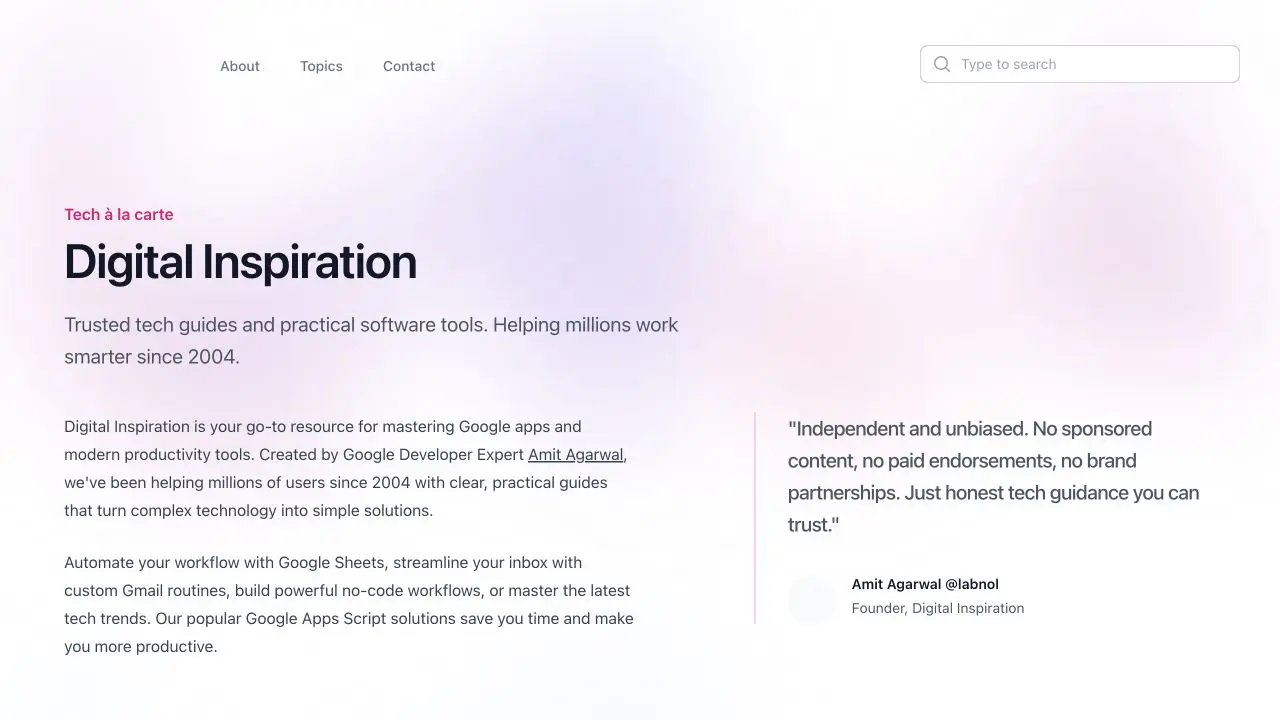
Digital Inspiration is Amit Agarwal’s library of Google Workspace, Apps Script and automation tutorials, and it is the oldest blog on this list. It reads like a technical reference rather than a news site, and the tutorials are tied to add-ons he sells, so the examples are the kind that actually run.
- Run by: Amit Agarwal, since 2004.
- Last post: April 4, 2026, and before that December 2025. The blog has slowed to a few posts a year.
- Makes money from: Google Workspace add-ons such as Mail Merge with Attachments, Document Studio and Save Emails and Attachments.
- Best for: Apps Script, Gmail and Google Sheets automation you can copy and run.
- Limitation: an older tutorial can lag the current Google interface, so match the post date to the product before you follow it.
Gaurav Tiwari
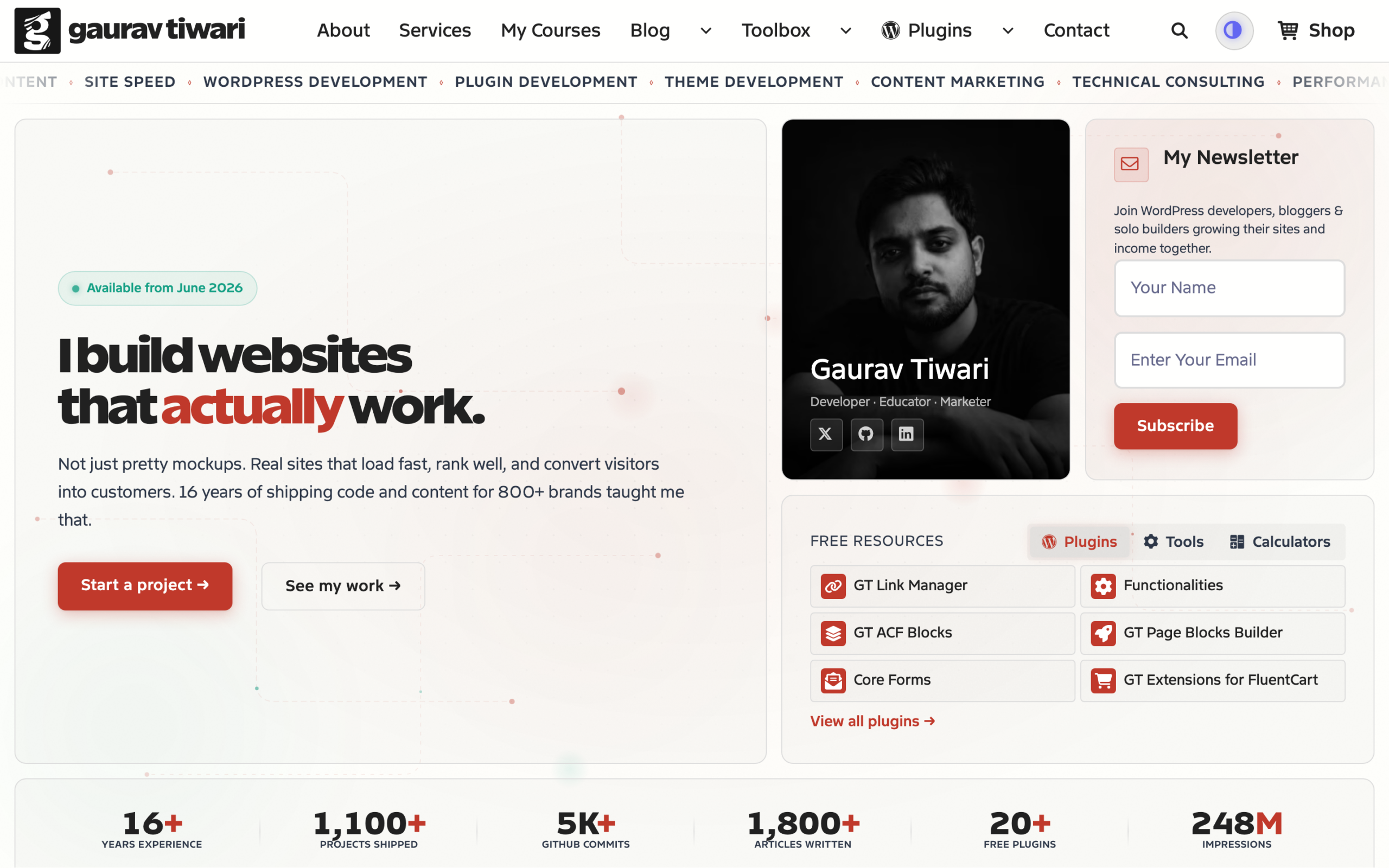
This one is mine, so read the entry with that in mind. gauravtiwari.org covers WordPress, SEO, blogging systems and the business of running a small digital practice, and the archive is tied to the plugins and services I actually ship. It belongs here because it is a working example of the practitioner-publisher model, where the blog funds and is funded by the work, rather than the venture-backed newsroom model the startup sites follow.
- Run by: Gaurav Tiwari, writing on the web since 2008.
- Last post: October 1, 2026.
- Makes money from: WordPress plugins, services and affiliate recommendations.
- Best for: WordPress, SEO and the systems behind a one-person content business.
- Limitation: I am ranking my own site. Judge it by the archive, and treat its product recommendations with the same scrutiny you’d give any affiliate-supported blog.
ShoutMeLoud
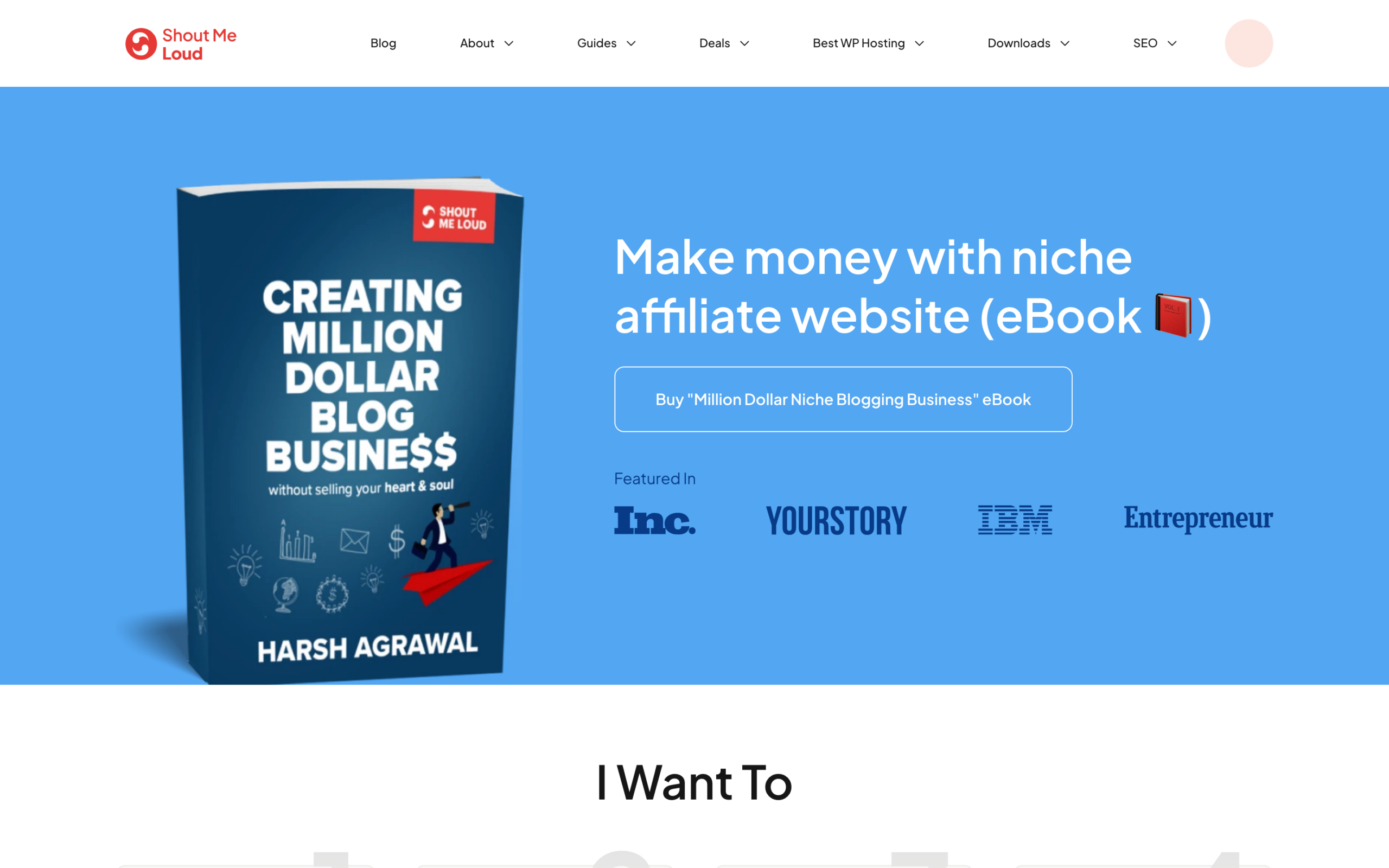
ShoutMeLoud is Harsh Agrawal’s blog about blogging, WordPress, SEO and affiliate marketing, and for a decade it was the site every new Indian blogger read first. Its archive is still the value. The newer posts have moved to AI tools and agents, with recent pieces on a personal AI toolkit, connecting Gmail to OpenClaw and Cloudflare Zero Trust, so the blog you find today is not quite the one its reputation describes.
- Run by: Harsh Agrawal, since 2008.
- Last post: April 18, 2026, with nothing since.
- Makes money from: affiliate recommendations and its own products.
- Best for: the fundamentals of blog monetization and affiliate marketing, read from the archive.
- Limitation: many tutorials predate the current versions of the tools they teach, so check the date and the product version before you follow one. The site also blocks automated readers, so feed readers may show it as dead when it isn’t.
BloggersPassion
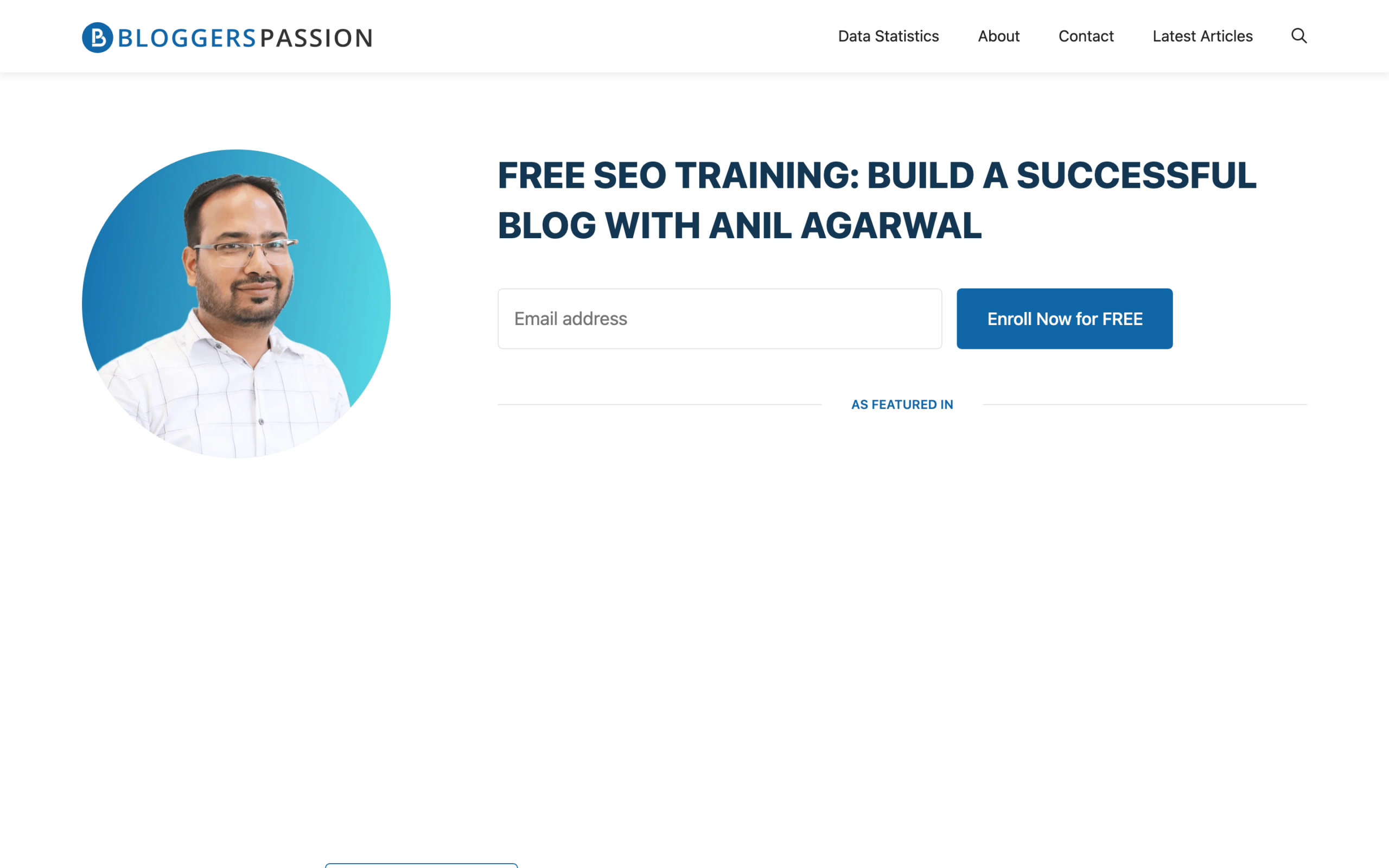
BloggersPassion is Anil Agrawal’s SEO and blogging site, running since 2010 and still posting several times a month. It is the most commercially open blog on this list: the recent posts are mostly hosting and AI-builder comparisons, and the site publishes its own income figures, which tells you exactly what you are reading.
- Run by: Anil Agrawal, since 2010.
- Last post: September 30, 2026.
- Makes money from: affiliate links, heavily Hostinger at the moment, plus SEO training.
- Best for: long SEO tutorials and tool comparisons for people building a content business.
- Limitation: the comparisons are the business, so cross-check any “best hosting” verdict against a source that doesn’t earn from the answer.
Finshots
Finshots turns one financial or business story a day into a short plain-English explainer, delivered as a newsletter and published on the site. It launched in 2019, is backed by Zerodha, and the same team runs Ditto Insurance, which is worth knowing when you read its insurance pieces.
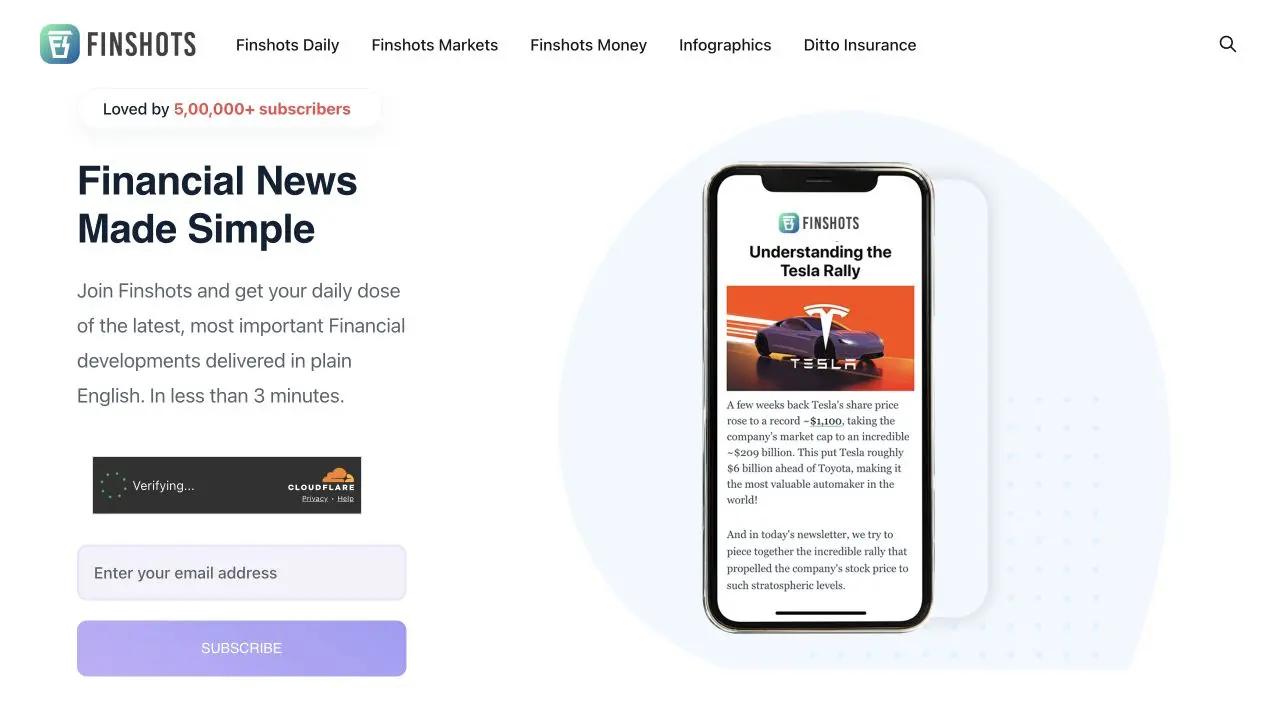
- Run by: Shrehith Karkera, Bhanu Harish Gurram, Lokesh Gurram and Pawan Kumar Rai, since 2019.
- Last post: October 1, 2026, on a daily schedule.
- Makes money from: Zerodha’s backing and the Ditto Insurance advisory business the same founders run. The newsletter itself is free.
- Best for: understanding a finance or markets story in a few minutes without the jargon.
- Limitation: the format is orientation, not advice, and the insurance explainers lead toward a product the founders sell.
Trak.in
Trak.in is Arun Prabhudesai’s technology and business news site, running since 2007, which makes it one of the few independent Indian tech blogs from that era still publishing every day. The root domain now sends you straight to the Stories section, which carries telecom, finance, policy, mobility and consumer-internet updates.
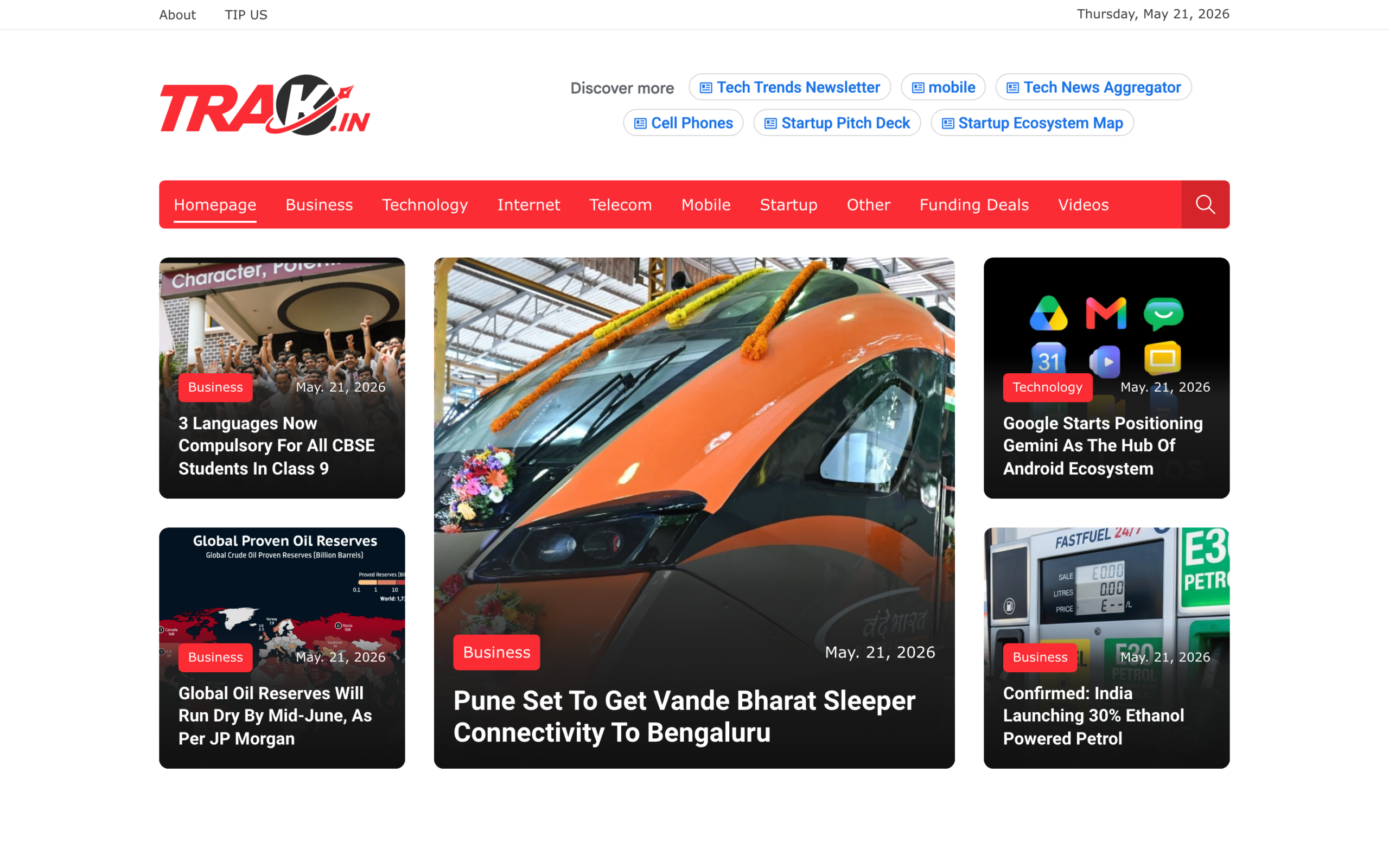
- Run by: Arun Prabhudesai, since 2007.
- Last post: October 1, 2026.
- Makes money from: advertising.
- Best for: fast Indian technology, telecom and business updates.
- Limitation: it is a fast news desk, so verify a number against the primary source before you reuse it.
The Ken
The Ken publishes deeply reported stories on Indian business, startups, technology and healthcare, and sells it to subscribers rather than advertisers. It is on this list because it proved that Indian readers will pay for depth: the last public figure, from September 2021, was 30,000+ individual subscribers.
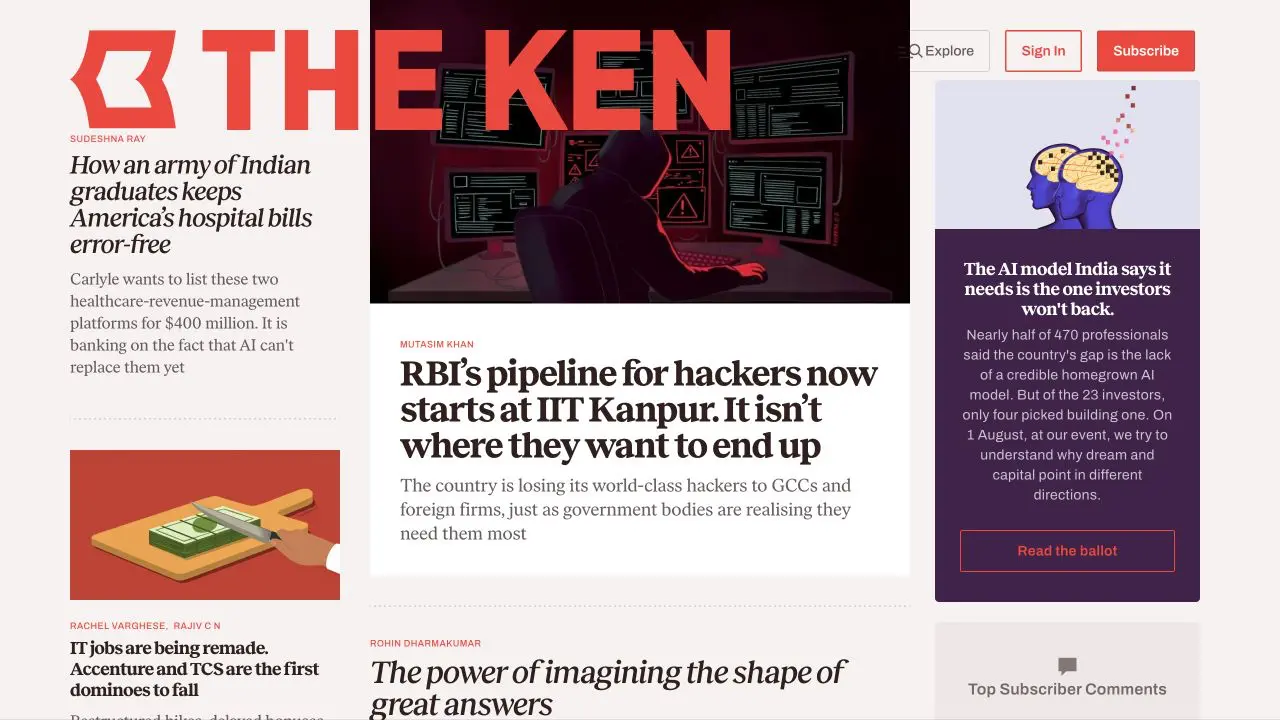
- Run by: Rohin Dharmakumar, Seema Singh, Sumanth Raghavendra and Ashish Mishra, since 2016.
- Last post: October 1, 2026.
- Makes money from: reader subscriptions.
- Best for: company-level reporting you won’t find in a press release.
- Limitation: the paywall. If you only want free daily headlines, this is the wrong site.
YourDOST
YourDOST is a mental-health platform founded in December 2014 by Richa Singh and Puneet Manuja, and its blog is the educational front of a counseling and workplace-wellness service. It is the only entry on this list where the blog is secondary to the service, and it earns its place because the subject has real value and the writing is tied to practitioners.
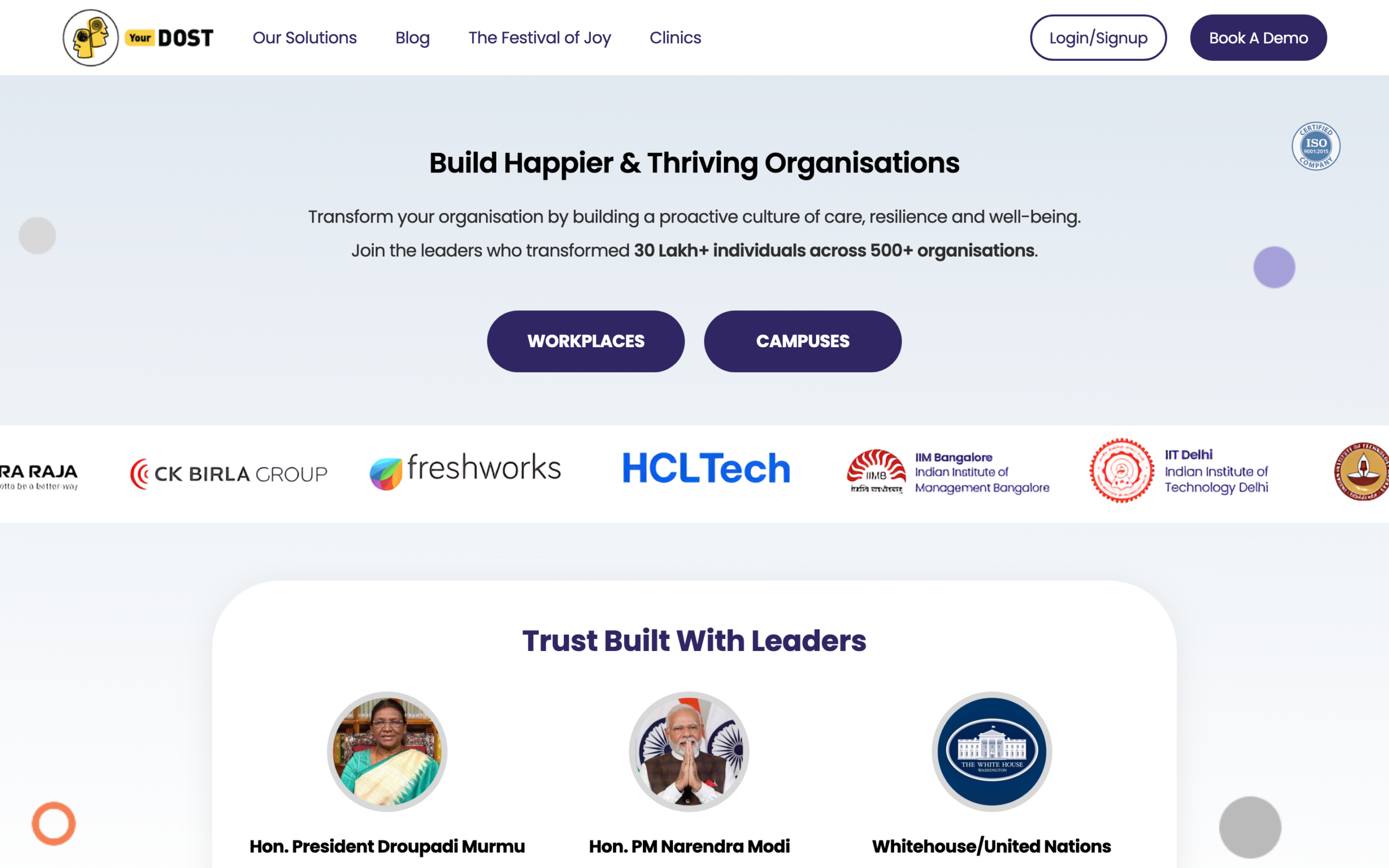
- Run by: Richa Singh and Puneet Manuja, since December 2014.
- Last post: September 28, 2026, at roughly 1 post a month.
- Makes money from: counseling sessions and workplace-wellness contracts.
- Best for: mental-health and workplace-wellness reading in an Indian context.
- Limitation: articles are education, not diagnosis, and the cadence is the slowest on this list.
Entrackr
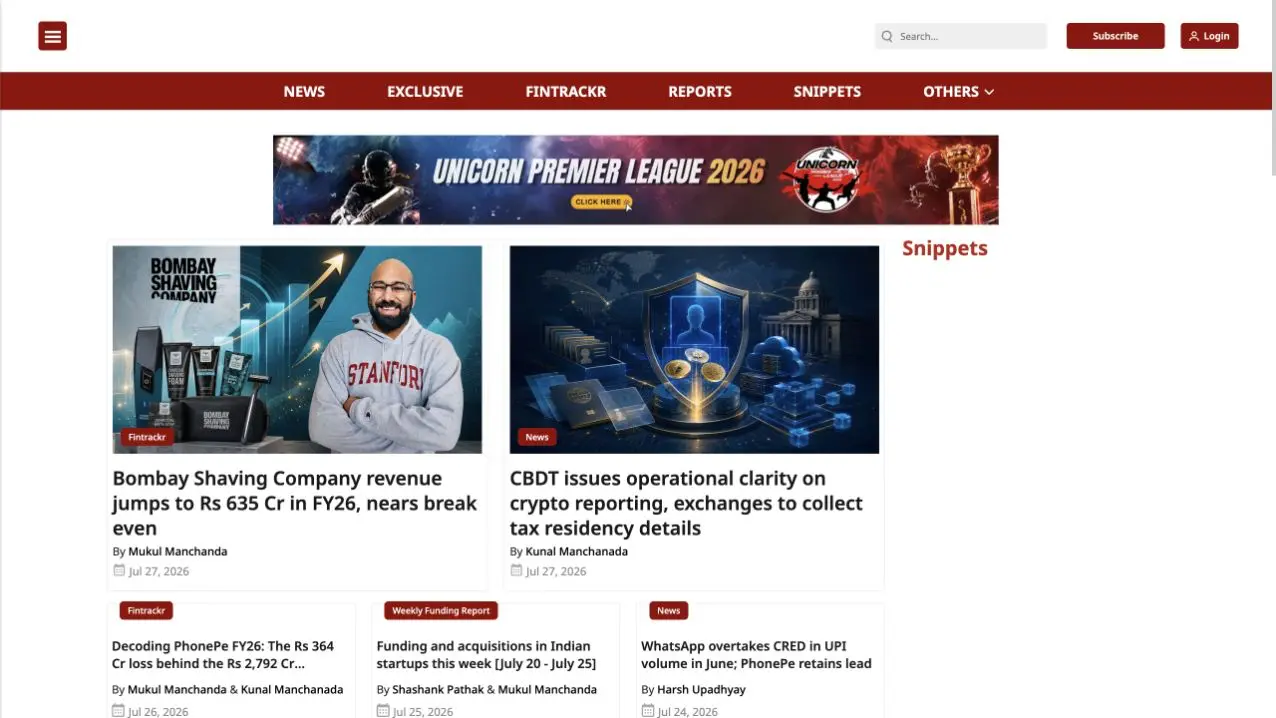
Entrackr covers Indian startups with daily news and funding reports, and its Fintrackr vertical does the thing most startup sites skip: it reads the regulatory filings and reports what companies actually earned and lost. Co-founder and CEO Jai Vardhan started it in 2017.
- Run by: Jai Vardhan, co-founder and CEO, since 2017.
- Last post: active daily; Fintrackr was covering FY26 quarterly results at the time of checking. The site blocks feed readers, so the exact timestamp wasn’t captured.
- Makes money from: advertising. Its own filings, as reported by Inc42, show Rs 1.9 crore revenue in FY25, down about 30%.
- Best for: funding rounds and the real financials behind Indian startups.
- Limitation: depth swings between a 2-paragraph funding alert and a full filings story; the byline and length tell you which you’ve got.
Beebom
Beebom is one of the largest Indian consumer-tech sites that still reads like a blog, covering phones, software, gaming, AI and buying advice in text and video. Kapil Jindal and Devinder Maheshwari started it in New Delhi in 2011, and it sits near the top of the technology blog rankings on activity alone.

- Run by: Kapil Jindal and Devinder Maheshwari, since 2011.
- Last post: October 1, 2026.
- Makes money from: advertising, affiliate commerce and YouTube.
- Best for: consumer-tech news, explainers and buying guides with an Indian price in them.
- Limitation: news, commerce and entertainment share one front page, so a big purchase still deserves an independent test report.
All 11 Blogs Compared
Use this table to pick a source in 1 glance. The last-post date is what the blog’s own feed or site showed on October 2, 2026; the ones marked slowed are still live but no longer publish on a schedule.
| Blog | Run by | Since | Last post | Makes money from |
|---|---|---|---|---|
| YourStory | Shradha Sharma | 2008 | Oct 1, 2026 | Ads, branded programs, events |
| Digital Inspiration | Amit Agarwal | 2004 | Apr 4, 2026 (slowed) | Google Workspace add-ons |
| Gaurav Tiwari | Gaurav Tiwari (my site) | 2008 | Oct 1, 2026 | Plugins, services, affiliates |
| ShoutMeLoud | Harsh Agrawal | 2008 | Apr 18, 2026 (slowed) | Affiliates, own products |
| BloggersPassion | Anil Agrawal | 2010 | Sep 30, 2026 | Affiliates, SEO training |
| Finshots | Shrehith Karkera and 3 co-founders | 2019 | Oct 1, 2026 | Zerodha backing, Ditto Insurance |
| Trak.in | Arun Prabhudesai | 2007 | Oct 1, 2026 | Ads |
| The Ken | Rohin Dharmakumar and 3 co-founders | 2016 | Oct 1, 2026 | Subscriptions |
| YourDOST | Richa Singh, Puneet Manuja | 2014 | Sep 28, 2026 (monthly) | Counseling, workplace wellness |
| Entrackr | Jai Vardhan | 2017 | Daily (feed blocked) | Ads |
| Beebom | Kapil Jindal, Devinder Maheshwari | 2011 | Oct 1, 2026 | Ads, affiliates, YouTube |
Independent Indian Blogs by Niche
Six of the 11 above are newsrooms or companies. When people ask on Reddit for the best blogs in India, they usually mean something smaller: one person, one subject, posting for years. These 6 pass the same checks, and each is the best of its kind that I could verify is still posting.
Food: Dassana’s Veg Recipes (vegrecipesofindia.com). Dassana Amit publishes tested vegetarian Indian recipes with step photos, and the site posted on September 13, 2026. It is the recipe blog Reddit’s r/IndianFood recommends when someone asks for text instead of YouTube. The site sits behind a bot check, so some feed readers can’t subscribe to it.
Travel: The Shooting Star (the-shooting-star.com). Shivya Nath quit her job in 2011 to travel and has written the blog ever since, with a focus on slow and sustainable travel. The latest post went up on September 26, 2026, and the blog funds itself through her books, courses and brand work.

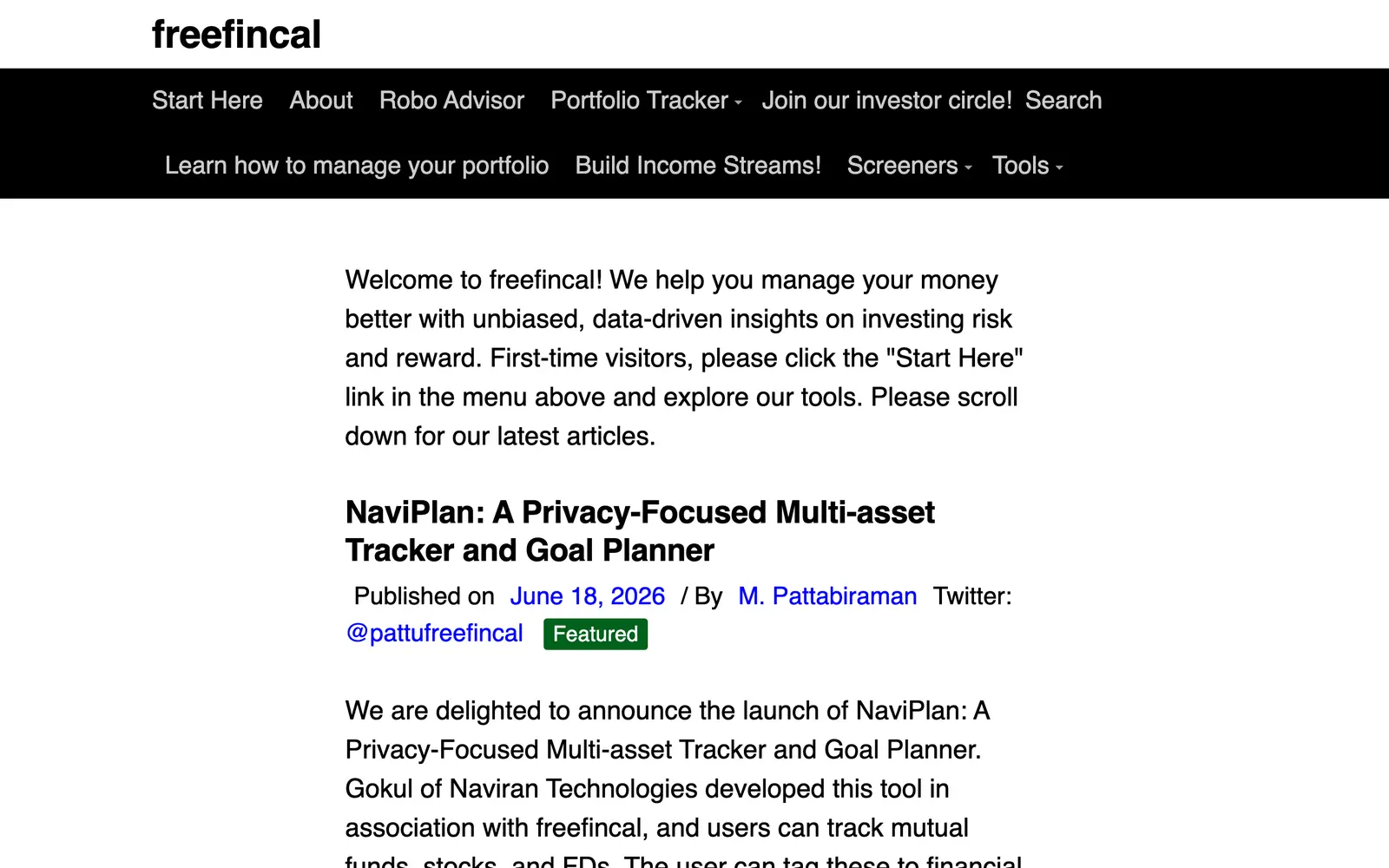
Personal finance: freefincal (freefincal.com). Dr M. Pattabiraman, an associate professor at IIT Madras, has run freefincal since May 2012 and still posts every day, with a new article on the morning of October 2, 2026. The site says its articles were read 6.34 million times in 2025. It sells calculators and courses, gives no individual advice, and is the most quantitative personal-finance blog in India.
Investing: Safal Niveshak (safalniveshak.com). Vishal Khandelwal started it in 2011 to teach value investing and behavioral finance, and the site’s own count is 90,000 newsletter readers. Latest post: September 24, 2026. It earns from a premium membership and courses, and the free weekly essay is the product most readers want.
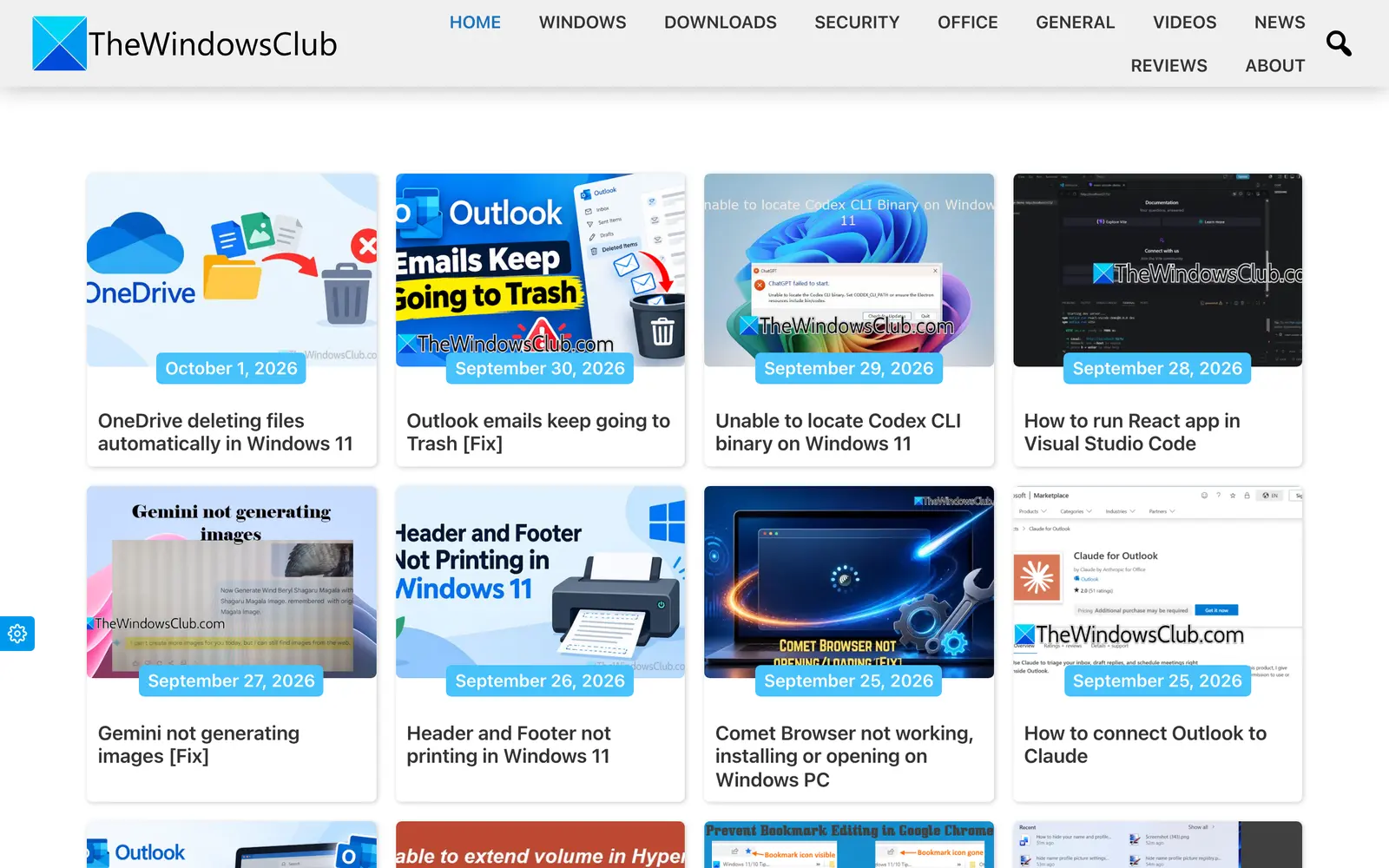
Windows and software: TheWindowsClub (thewindowsclub.com). Anand Khanse, a Microsoft MVP from 2006 to 2022, edits every post himself, posts daily (latest October 1, 2026) and states on the About page that no AI tools are used. It is ad-funded, and it is probably the Indian blog most people have landed on from a Windows error search without knowing it was Indian.
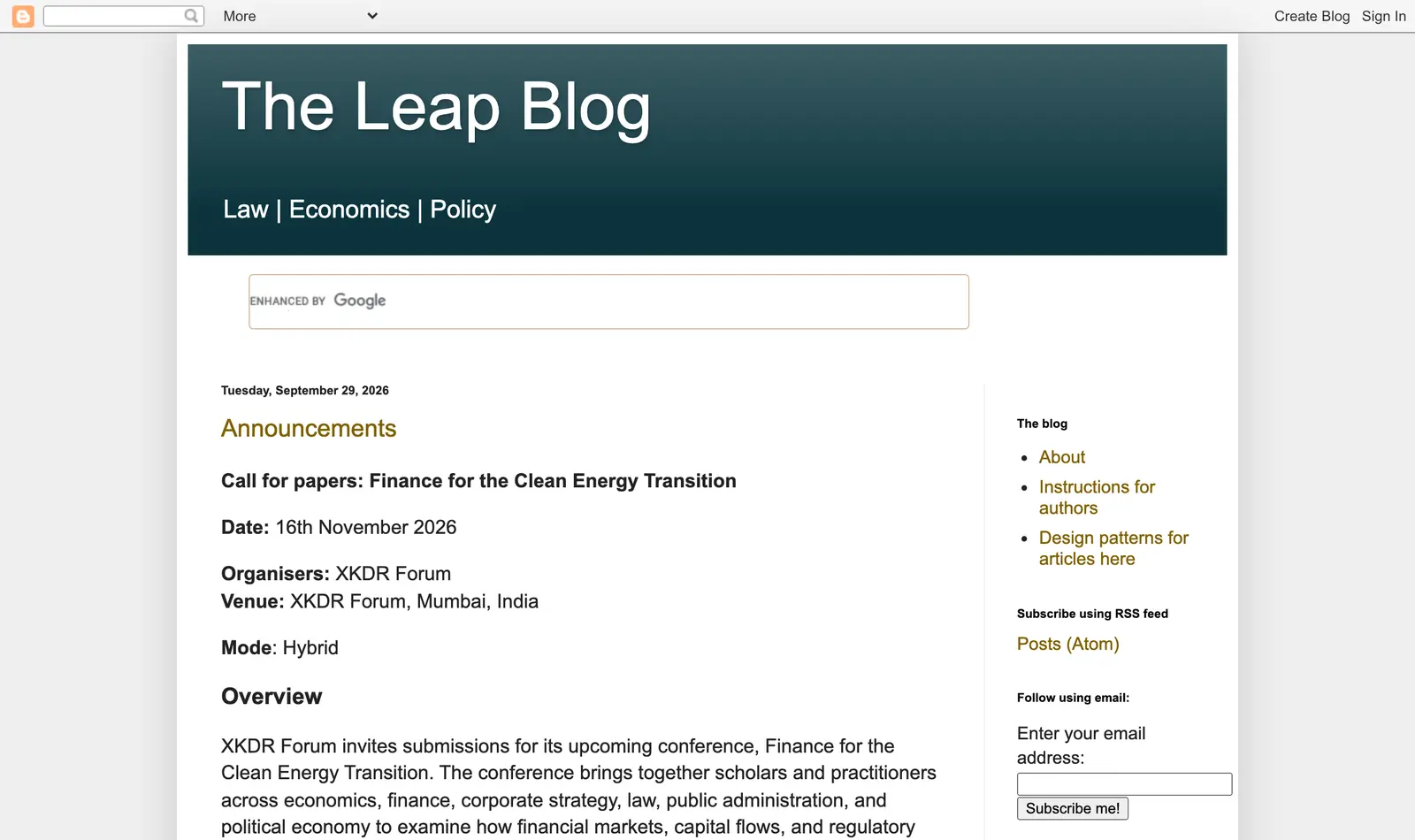
Economics and policy: The Leap Blog (blog.theleapjournal.org). Ajay Shah has been writing it since December 2005, now with a roster of co-authors on law, economics and policy, and the latest post is dated September 29, 2026. It is still on Blogger, carries no ads and reads like a working paper series. If you want Indian policy argued with data rather than opinion, start here.
Famous Names That Went Quiet or Changed
These are the names that still appear on other lists of the best blogs in India. Each was checked on October 2, 2026, and this is what you find when you actually visit.
- MyBigPlunge is now The Plunge Daily, publishing several posts a day on general news, entertainment and business. It is active, but it is no longer the startup blog the older lists describe.
- ScoopWhoop is live and posting stories, quizzes and video as an entertainment network. Its RSS feed is gone, which is why some tools report the site as dead.
- CashOverflow, Pardeep Goyal’s personal-finance blog from 2015, now sits behind a bot-verification wall, and its Substack last posted on June 20, 2025.
- FactorDaily, the tech-and-society site Pankaj Mishra and Jayadevan PK founded in 2016, has published 3 posts since August 2024, the latest on October 29, 2025.
- Random Thoughts of a Demented Mind (greatbong.net), Arnab Ray’s essay blog that Reddit still names first, last posted on April 9, 2025.
- Digital Inspiration and ShoutMeLoud are both in the main list, but both have slowed to a handful of posts a year, as their entries say.


What Indian Blogs Actually Earn
The numbers that travel around this topic, Rs 40 lakh or Rs 60 lakh a month for a well-known blogger, come from lists that cite “various sources” and nothing else. Here are the only figures from this page that can be traced to a filing, a stated count or the site’s own report, with the kind of source named beside each.
- Entrackr: Rs 1.9 crore revenue in FY25, down about 30% on the year, from regulatory filings reported by Inc42.
- The Ken: 30,000+ individual subscribers as of September 2021, the last figure the company made public.
- Finshots: 5 lakh+ newsletter subscribers, self-reported; secondary reports put it between 3.5 and 5 lakh.
- freefincal: 6.34 million article views in 2025, self-reported on its About page.
- Safal Niveshak: 90,000 newsletter readers, self-reported.
- BloggersPassion: publishes its own monthly income figures on its About page; self-reported and unaudited.
Notice what is missing: an ad-revenue-per-1,000-views number. None of these sites publishes one, and the honest answer is that display advertising is the smallest part of how the good Indian blogs earn. The Ken sells subscriptions, Finshots feeds an insurance business, Labnol sells add-ons, freefincal sells calculators, YourDOST sells counseling. If your plan for a blog in India is page views and AdSense alone, you are copying the one model none of the blogs above relies on. The methods that do work are laid out in how to monetize a blog.
Other Indian Publications Worth Tracking
When your definition of a blog stretches to paid journalism, policy reporting or startup data, these are the next stops, all checked live on the same day.
- Inc42: startup news, reports, events and the financials database that Entrackr’s own numbers above came from. Posted October 1, 2026.
- MediaNama: technology policy, regulation and digital rights. Posted October 1, 2026.
- Condé Nast Traveller India: edited travel journalism when you want a magazine rather than a solo traveller’s blog.
- JagoInvestor: Manish Chauhan and Nandish Desai’s personal-finance blog, posting about monthly (latest August 8, 2026). The homepage now sells advisory services; the blog is a level down.
What the Durable Ones Have in Common
Every blog in the main list that is still posting on a schedule has 3 things the quiet ones lost: one repeated editorial job, a named person readers can hold accountable, and a way to reach readers that doesn’t run through Google. The sites that slowed down are the ones whose model was search traffic plus affiliate links, and that model has had a rough 3 years.
- Own a direct channel first. Finshots, Safal Niveshak and The Ken are newsletters that happen to have websites. Pick one of the newsletter platforms before you worry about rankings.
- Put a name on it. Every surviving independent blog above has a founder on the About page and in the bylines. Anonymous content is the cheapest thing on the internet now.
- Sell something readers can see. Add-ons, calculators, courses, subscriptions or services. The blogging tools that matter are the ones that support that, not the ones that promise traffic.
FAQs on the Best Blogs in India
Who is the number one blogger in India?
Amit Agarwal of Digital Inspiration (labnol.org). He quit his corporate job in 2004 to blog full time and is described, on his own site and in most Indian media profiles, as the country’s first professional blogger. The blog has slowed to a few posts a year, but no later blogger has displaced the claim.
Which is the most popular blog in India?
It depends on what you count. By a publicly stated audience, Finshots’ 5 lakh+ newsletter subscribers is the largest number any blog on this page reports. By search presence, YourStory and Beebom are the biggest. By paying readers, The Ken, with 30,000+ subscribers at its last public count, is the clear leader.
How much do Indian bloggers earn per 1,000 views?
No blog on this page publishes that figure, and the ones quoted elsewhere are guesses. An Indian pageview pays a fraction of a US one on display ads, which is exactly why the durable blogs here sell something else: subscriptions, add-ons, calculators, courses, counseling or services. Treat any per-1,000-views number for India as a rough floor, never a plan.
Can you earn 1 lakh a month from blogging in India?
Yes, and the blogs on this page show the shape of it. Digital Inspiration sells Google Workspace add-ons, freefincal sells calculators and courses, Safal Niveshak sells a premium membership, The Ken sells subscriptions. Each of them built a direct audience first and a product second. None got there on page views and ad revenue alone.
Is blogging dead in India?
No. The blogs that went quiet were the ones built on search traffic and affiliate links, and that model has struggled since 2023. The ones still posting daily in October 2026 are newsletters, reporting outlets and tool-backed tutorial sites. Blogging as a way to publish is fine; blogging as a traffic arbitrage business is what died.
How do I get my blog listed among the best blogs in India?
Pass the same checks the blogs here passed: a dated post at least every few weeks for 6 months or more, a named author on the About page and in bylines, work that adds reporting or expertise rather than rewritten news, and a business model a reader can see. The Gatilab blog rankings are re-checked periodically, and a blog that clears those checks gets picked up at the next review.
Which Indian blogs are best for beginners?
Pick 1 that matches your goal. Finshots if you want to understand money news, freefincal if you want to manage your own money, Digital Inspiration or TheWindowsClub for software, Beebom for gadgets, BloggersPassion or the ShoutMeLoud archive for the mechanics of running a blog, and The Shooting Star or Dassana’s Veg Recipes if you want to see what a one-person blog looks like after 10 years.
Final Remarks
Follow 2 or 3 of these with different incentives, say a subscription newsroom, a free explainer and one independent writer in your field, and you’ll have a better information diet than any top-50 list can give you. If you’re on the other side of this, trying to start a blog that will still be posting in 5 years, the pattern above is the brief, and blog setup and monetization is where I help people build it.
Tell Google you want more of this.
Add Gatilab as a preferred sourceOne tap, and this site shows up more often in your own Top Stories, AI Overviews and AI Mode. Remove it any time.