
Business Mentorship That Actually Works
I spent $12,000 on a business coach in 2019. Got zero ROI. Then a guy I met at a WordPress meetup gave me one piece of advice over coffee that turned into $47,000 in new revenue within 6 months. The difference wasn’t intelligence or credentials. It was context. He’d built and sold 3 agencies before I’d finished my first. He saw the problem I couldn’t see because he’d already lived through it.
Mentorship isn’t what most people think. It’s not some formal arrangement where a wise elder dispenses wisdom on a schedule. The mentorship relationships that actually changed my business were messy, informal, and sometimes just a 15-minute conversation at the right moment.
Here’s what 16 years of building businesses taught me about finding mentors, being worth mentoring, and eventually becoming one.
What Mentorship Actually Is (Most People Get This Wrong)
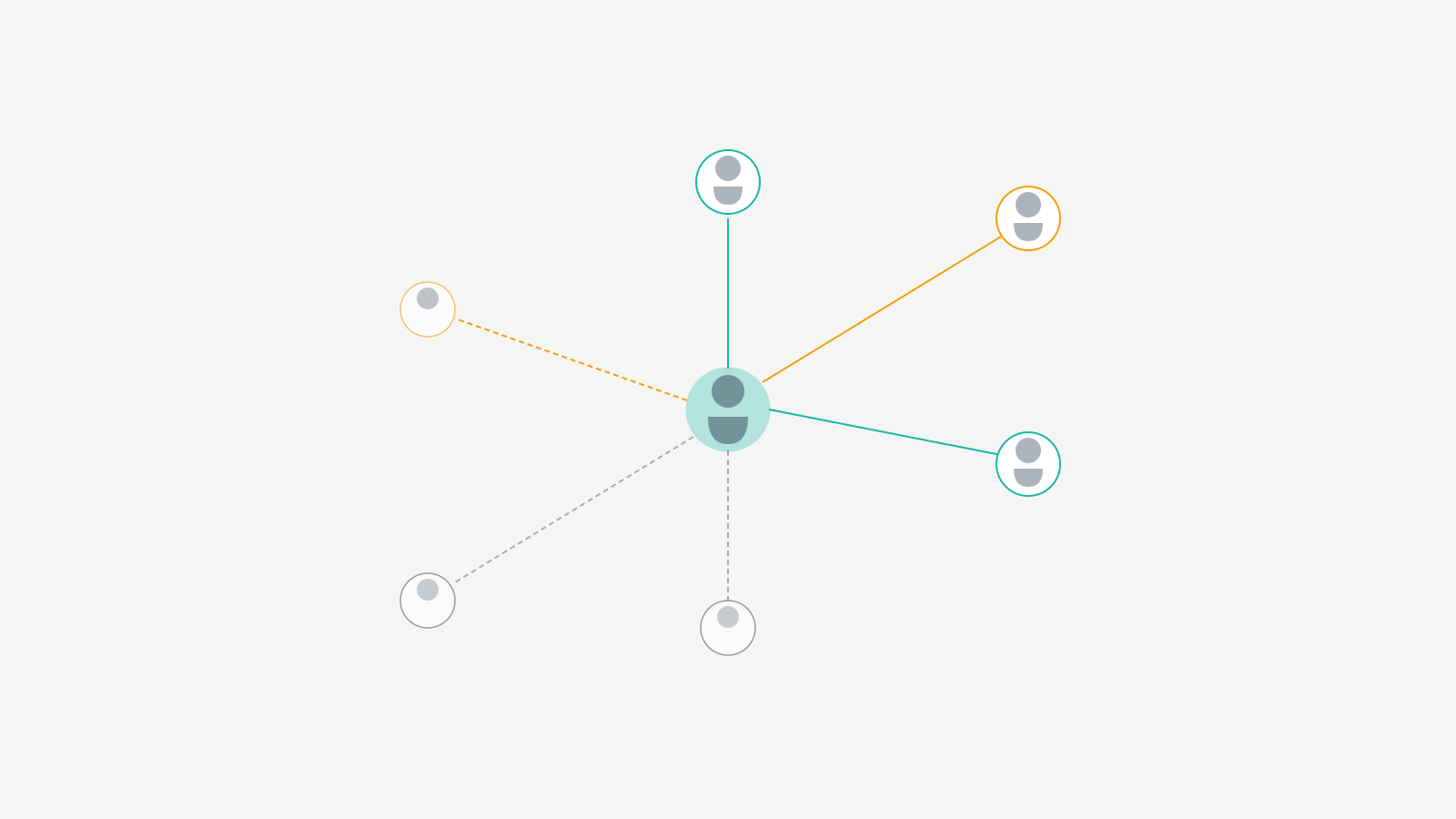
Look, I’ve seen people approach mentorship like it’s a free consulting service. They want answers. They want shortcuts. They want someone to tell them exactly what to do at every step. That’s not mentorship. That’s dependency.
Real mentorship is a relationship where someone who’s been where you’re going shares the map they drew while getting there. The map isn’t perfect. It’s outdated in places. But it’s 10x better than no map at all.
| Mentorship IS | Mentorship ISN’T |
|---|---|
| A relationship built on earned trust over time | Free consulting you can text at midnight |
| Guidance shaped by the mentor’s actual failures and wins | A guaranteed shortcut past doing the hard work |
| Honest feedback, including stuff you don’t want to hear | A one-way value extraction where you only take |
| Access to mental models you haven’t developed yet | A replacement for thinking for yourself |
| Informal, evolving, sometimes messy | A rigid program with formal KPIs |
| A long game measured in years | A transactional exchange with immediate payoff |
Honestly, the best mentorship I’ve ever received felt more like friendship with a knowledge gap than any formal advisory relationship. My mentor Rajesh and I would grab lunch, talk about business for 20 minutes, then spend an hour arguing about cricket. But those 20 minutes were worth more than any course I ever bought.
The ROI of Mentorship (With Real Numbers)
People treat mentorship like a nice-to-have. It’s not. The data is overwhelming, and my own experience backs it up completely.
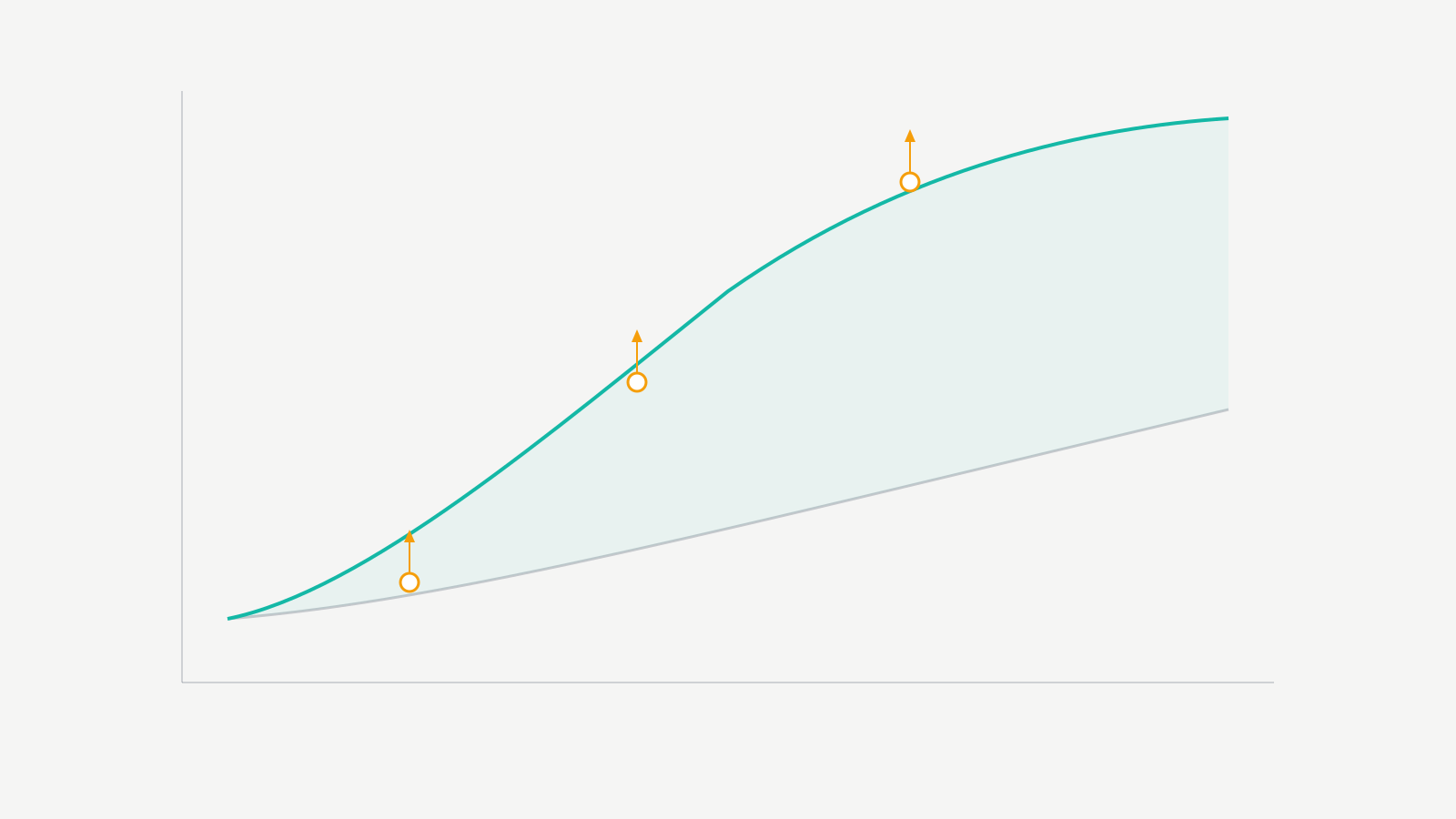
A 2023 study from Endeavor found that founders with experienced mentors raised 7x more capital than those without. MicroMentor’s longitudinal data shows mentored businesses increased revenue by an average of $47,000 over 2 years compared to $6,600 for non-mentored businesses. That’s a 7.1x difference.
SCORE reports that 70% of mentored small businesses survive past 5 years, compared to the SBA’s general 50% survival rate. That’s a 40% improvement in survival odds just from having someone in your corner.
| Metric | With Mentor | Without Mentor | Difference |
|---|---|---|---|
| 5-year survival rate | 70% | 50% | +40% better odds |
| Average revenue increase (2 years) | $47,000 | $6,600 | 7.1x more growth |
| Time to first profitable quarter | 8 months avg | 18 months avg | 10 months faster |
| Capital raised (venture-backed) | 7x baseline | 1x baseline | 7x multiplier |
| Employee growth rate | 3.5x faster | 1x baseline | 250% faster hiring |
In my own case… I went from $8,000/month to $23,000/month within 9 months of my first real mentorship relationship. Not because my mentor gave me clients. Because he helped me see I was underpricing by 60% and spending 40% of my time on work that didn’t matter. One conversation about pricing alone was worth $50,000+ over the following year.
Accelerated learning. My mentor compressed 10 years of pricing mistakes into a 45-minute conversation. He’d already lost $200,000+ undercharging enterprise clients. I didn’t have to repeat that lesson. That’s the real value. You’re not paying tuition on mistakes someone else already paid for.
Network access. A warm intro from a respected mentor carries 10-20x the response rate of cold outreach. One introduction from Rajesh to a former client of his turned into a $35,000 project. That intro took him 30 seconds to send.
Decision quality. When you’re making a $50,000 bet on a new service offering, having someone who’s made that exact bet before changes the calculation entirely. My mentors haven’t always been right. But they’ve consistently helped me ask better questions before committing resources.
Emotional support. Entrepreneurship is isolating. At 3 AM when a major client threatens to leave and cash flow is tight… having someone who genuinely understands because they’ve lived through it? That’s priceless. Friends and family mean well but they don’t get it the same way.
Where to Actually Find Good Mentors
Most advice about finding mentors is vague. “Network more.” “Attend events.” Useless. Here’s what actually worked for me and the 50+ founders I’ve talked to about this.
Your existing network (highest hit rate). Former bosses, colleagues, professors. They already know you. The relationship exists. You’re just evolving it. I found 3 of my 5 best mentors in my existing network. I was looking for some impressive stranger when the answer was a former client who’d gone on to build a $2M agency.
Industry events and communities. WordPress meetups. WooCommerce conferences. Niche Slack groups. I met Rajesh at a WordCamp in 2017. He wasn’t a speaker. He wasn’t famous. He was just a guy who’d built 3 agencies and sold 2 of them. The best mentors aren’t usually the ones on stage.
Online platforms (long game). LinkedIn and Twitter work, but only if you play the long game. Engage with someone’s content for 3-6 months before ever making an ask. Comment with substance. Share their work with your own insights added. By the time you reach out, they already know your name.
Formal programs. SCORE offers free business mentorship and matches you based on industry and needs. They’ve mentored 11 million+ entrepreneurs since 1964. Industry associations run programs too. These remove the awkwardness of cold outreach.
Personal board of advisors. Don’t put all your mentorship eggs in one basket. Build a board of 3-5 people covering different areas. Strategy. Technical skills. Industry knowledge. Life balance. No single person can cover everything.
Paid mentorship. Sometimes worth it. I spent $12,000 on a coach who gave me nothing. Then spent $3,000 on a different advisor who helped me restructure my service packages in a way that added $60,000 in annual revenue. The difference was specificity. The expensive coach gave generic advice. The cheaper advisor had built exactly the kind of business I was building.
| Source | Avg. Time to Establish | Cost | Best For |
|---|---|---|---|
| Existing network | 1-2 months | Free | People who already trust you |
| Industry events | 3-6 months | Event tickets | Domain-specific guidance |
| Online engagement | 6-12 months | Free (time investment) | Access to people outside your geography |
| Formal programs (SCORE, etc.) | 2-4 weeks | Free | Structured matching when you’re starting out |
| Paid coaching/advisory | Immediate | $1,000-$25,000/yr | Specific skill gaps, accountability |
How to Make the Ask Without Being Weird
The number one mistake I see? Leading with “Will you be my mentor?” That’s like asking someone to marry you on the first date. Way too heavy.
Build the relationship first. Engage with their work. Add value where you can. Become a known name. When I approached my current primary mentor, I’d been commenting on his posts and sharing his content for 4 months. By the time I asked for a coffee chat, he already felt like he knew me.
Be brutally specific. “I’d love to pick your brain” is the worst phrase in professional networking. Instead: “I’m deciding whether to niche my WordPress agency into ecommerce-only. You did exactly this in 2020 and grew 3x in 2 years. Could I get 20 minutes to understand how you made that call?” Specific requests get 5x the response rate of vague ones.
Ask small. One coffee. One call. One specific question. That’s it. If it goes well, ask for another. Let the mentorship emerge. 4 of my 5 mentorship relationships started with a single conversation that felt so valuable we both wanted to continue.
Respect their time with defined asks. “Could I ask for 30 minutes quarterly to discuss my business direction?” beats an open-ended request for unlimited availability. Every single time.
Explain why them specifically. Not generic flattery. Specific connection. “Your decision to leave a successful agency to build a product company mirrors a transition I’m considering” tells them exactly why their experience matters to you.
Offer something back. Even if it feels small. Research they might find useful. Introductions in areas they don’t know. Insights from your domain. I once helped a mentor’s daughter set up her first WordPress site. Tiny gesture. He still brings it up 3 years later.
Accept no gracefully. Many “no”s become “yes”es later. I got turned down by someone in 2018 who became one of my most valuable mentors in 2021 after he saw me consistently building and shipping over those 3 years.
Being Worth Mentoring (The Mentee Playbook)
Honestly, this is where most people blow it. They find a great mentor and then waste the relationship by showing up unprepared, ignoring advice, and never following through.
Come prepared every single time. Not “what should we talk about?” but “here’s my situation, here’s what I’m considering, here’s specifically where I’m stuck.” I send my mentor a brief email 48 hours before every call with 3 specific items to discuss. He told me I’m the only mentee who does this. It’s also why I get his best thinking.
Follow through and report back. Nothing kills a mentorship faster than giving the same advice to someone who never implements it. When Rajesh told me to raise my rates by 40%, I did it within 2 weeks and emailed him the result. Lost 2 clients, gained 3 new ones at higher rates, net revenue up $4,200/month. He was more invested in my success after seeing that follow-through than he would’ve been from a hundred thank-you messages.
Listen more than you talk. The point is their perspective. Resist the urge to defend your current approach or explain why their suggestion won’t work. Take it in first. Process later. I used to argue with every piece of feedback. Took me 2 wasted years to realize I was paying for advice and then ignoring it.
Show specific appreciation. Not generic “thanks for your time.” Instead: “Your suggestion to separate client acquisition from fulfillment changed how I think about hiring. We’ve since brought on 2 dedicated fulfillment people and my acquisition time doubled.” Concrete. Measurable. That motivates continued investment.
Respect boundaries ruthlessly. Don’t text at midnight. Don’t expect instant responses. Don’t ask for more than you agreed to. One mentee I took on violated all three within 2 weeks. That relationship lasted exactly 1 month.
Be coachable. Defensiveness kills mentorship. Full stop. If you argue with every piece of feedback, mentors stop giving honest feedback. They give you safe, surface-level stuff. The gold is in the uncomfortable truth you don’t want to hear.
The 7 Types of Mentors You Need
Expecting one person to be everything is a recipe for disappointment. Build a portfolio.
| Mentor Type | What They Provide | When You Need Them | Example |
|---|---|---|---|
| Industry mentor | Deep domain expertise, unwritten rules, key players | When navigating industry-specific decisions | A senior WordPress developer who’s built 200+ client sites |
| Business mentor | Strategy, leadership, finance, operations | When scaling beyond your current stage | Someone who’s grown an agency past $1M |
| Skills mentor | Specific capability development | When you have a defined skill gap | A sales pro when you need to learn enterprise sales |
| Life mentor | Work-life balance, values, purpose | When business success feels empty | An entrepreneur who prioritized family without sacrificing growth |
| Peer mentor | Mutual support, equal exchange | Always. Every stage. | A founder at your same revenue level in a different niche |
| Reverse mentor | Fresh perspectives, current trends, new tech | When you’re becoming disconnected from emerging practices | A junior dev who understands AI tooling better than you |
| Sponsor | Active advocacy, introductions, vouching | When you need doors opened, not just advice | Someone who recommends you for speaking gigs and partnerships |
I currently have 5 active mentorship relationships. 1 industry mentor (WordPress/agency space). 1 business mentor (general scaling advice). 2 peer mentors (founders at similar stages in adjacent niches). 1 reverse mentor (a 26-year-old who keeps me current on AI and automation tools). Each fills a different gap. None could replace the others.
Mentorship vs. Coaching (They’re Not the Same Thing)
I’ve spent money on both. Here’s the honest breakdown.
| Dimension | Mentorship | Coaching |
|---|---|---|
| Cost | Usually free (relationship-based) | $200-$1,000+/session |
| Structure | Informal, evolving naturally | Formal sessions, defined cadence |
| Approach | “Here’s what I did and what I learned” | “What do you think you should do?” |
| Basis | Mentor’s personal experience and journey | Professional frameworks and methodologies |
| Duration | Years, sometimes decades | 3-12 month engagements typical |
| Accountability | Informal, relationship-driven | Structured check-ins, defined goals |
| Best for | Wisdom, perspective, network, emotional support | Specific skill development, structured growth |
My $12,000 coaching failure? The coach used generic frameworks. Asked good questions but had never built an agency. Never managed WordPress clients. Never dealt with scope creep on a $30,000 build. He couldn’t tell me what he’d done because he hadn’t done it.
The $3,000 advisor who delivered? He’d built 3 WordPress agencies. Sold 2. Failed at 1. He didn’t ask me what I thought I should do. He told me what he’d do in my exact situation, explained why, and let me adapt it.
Both formats have value. The key is matching the format to the need. Want accountability and structured skill building? Coach. Want wisdom from someone who’s been exactly where you are? Mentor. Many entrepreneurs benefit from both simultaneously.
When Mentorship Goes Wrong (and What to Do)
Not every mentorship works. I’ve had 3 that failed. Recognizing the signs early saves both parties.
Advice that doesn’t translate. A mentor who built enterprise SaaS kept giving me advice that assumed I had a $500K marketing budget. I had $2,000. The experience gap was too wide in the wrong direction. We parted ways after 4 months.
Misaligned expectations. I expected monthly calls. He expected quarterly emails. Neither of us was wrong. We just never clarified. Fix this by having an explicit conversation about cadence and format in the first meeting.
Growth divergence. The mentor who helped me go from $5,000 to $15,000/month didn’t have the experience to help me get from $15,000 to $40,000. That’s not a failure. It’s graduation. Thank them sincerely and find someone who’s navigated your next stage.
Value extraction imbalance. If you’re only taking and never giving, you’re a burden. If you’re giving everything and getting nothing, you’re being exploited. Healthy mentorship feels balanced over time, even if the value exchanged looks different on each side.
Ethics mismatch. A mentor once suggested I inflate case study numbers to win bigger clients. That ended the relationship immediately. Your values aren’t negotiable, regardless of someone’s track record.
Graceful ending beats dragging along a dead relationship. Thank them genuinely. Maintain the connection loosely. Move on.
Becoming a Mentor (When You’re Ready)
You don’t need 20 years of experience. You need to be 2-3 steps ahead of someone. That’s it.
I started mentoring informally when my agency hit $15,000/month. Talked to founders still at $3,000-$5,000. My struggles were fresh. My solutions were current. The advice a $10M CEO gives a $5,000/month freelancer is often too abstract. The advice from someone at $15,000 is actionable because the gap is navigable.
Set time boundaries you can actually keep. I offer 1 hour per month to each of my 3 mentees. That’s 3 hours/month. Sustainable. Predictable. Better to offer less reliably than more inconsistently. A monthly call you actually make beats weekly calls you frequently skip.
Be selective. I look for 3 things in potential mentees: they’ve done the obvious work already (read the books, taken the courses), they follow through on commitments, and they’re building something I find genuinely interesting. Being selective isn’t gatekeeping. It’s being honest about where I can add value.
Share experience, not prescriptions. “Here’s what I did and what happened” is always better than “here’s what you should do.” Their path differs from yours. What worked for you might not work for them. Ask questions that help them think rather than telling them what to think.
Learn from your mentees. My 26-year-old mentee taught me about AI-assisted development workflows that cut my team’s build time by 30%. Mentorship is bidirectional. Always.
My Honest Mistakes With Mentorship
I’ve gotten a lot of this wrong over the years. Sharing the failures because they’re more instructive than the wins.
Mistake 1: Treating mentors like Google. Early on, I’d show up to calls with zero preparation and ask whatever popped into my head. One mentor told me bluntly: “You’re wasting my time and yours.” He was right. After that, every meeting got a 3-item agenda sent 48 hours in advance. The quality of advice I received improved 10x overnight.
Mistake 2: Chasing impressive names over relevant experience. I spent 6 months trying to get a well-known SaaS founder to mentor me. WordPress agency advice from a SaaS CEO? Useless. Meanwhile, a guy running a $500K WordPress agency in my city had exactly the knowledge I needed. I was chasing status instead of substance.
Mistake 3: The $12,000 coaching disaster. Bought a high-ticket coaching package in 2019 without verifying whether the coach had relevant experience. He hadn’t. $12,000 gone. Lesson: always verify that the person has done the specific thing you need help with. Credentials and charisma aren’t substitutes for relevant experience.
Mistake 4: Not following through on advice. Rajesh told me in 2018 to stop offering maintenance packages under $500/month. I nodded, agreed… and didn’t change anything for 8 months. When I finally did it, revenue per client jumped 35%. I left $28,000 on the table by ignoring good advice for 8 months.
Mistake 5: Not mentoring others sooner. I waited until I felt “qualified.” Wasted 3 years. The person 2 steps behind you doesn’t need you to have all the answers. They need you to share what you’ve learned so far. Start mentoring the moment you have something to give.
Building a Mentorship Culture in Your Team
If you run a team or agency, mentorship shouldn’t be optional. It should be infrastructure.
At Gatilab, every senior developer is paired with a junior for 6-month mentorship rotations. The result? Our junior-to-mid promotion timeline dropped from 18 months to 11 months. Retention improved by 40%. The seniors report that teaching clarifies their own understanding and makes them better developers.
Formal programs remove barriers. Not everyone naturally finds mentors. Structured matching helps people who’d never connect on their own.
Make it an expectation, not a favor. Senior people developing junior people should be part of the job, not exceptional generosity. Build it into role expectations and recognize it in reviews.
Train your mentors. Willing doesn’t mean capable. Teaching mentorship skills like active listening, giving constructive feedback, and asking good questions improves quality dramatically.
Reverse mentorship matters. Our junior devs mentor seniors on AI tooling, modern CSS, and accessibility practices. Knowledge flows both directions in healthy cultures. The 26-year-old who taught me about AI-assisted workflows? He’s one of our juniors.
Frequently Asked Questions
What I’d Do Differently If I Started Over
If I could go back to 2010 when I started building seriously, here’s the mentorship playbook I’d follow from day one.
Find 1 person who’s 2-3 years ahead of me in my exact niche. Not someone famous. Not someone running a $50M company. Someone who recently solved the problems I’m currently facing. Their advice would be specific, current, and actionable.
Join 1 peer group of 3-5 founders at my stage. Different niches, similar revenue. Meet monthly. Share numbers honestly. Hold each other accountable. Peer mentorship was the thing I discovered last and valued most.
Start mentoring someone within my first year. Not because I’d have all the answers. Because teaching forces clarity. Because helping someone 6 months behind me would solidify lessons I was still learning. And because building the habit of generosity early compounds over a career.
Skip the expensive coaches until I could verify, through references and specific track records, that they’d built what I was trying to build. Save the $12,000. Invest it in attending 4 industry events instead. The ROI on in-person relationships crushes the ROI on generic coaching every single time.
Mentorship changed my business more than any tool, course, or strategy I’ve ever invested in. The total cost of my unpaid mentorship relationships over 16 years? Maybe $2,000 in coffees and lunches. The total value they’ve generated? Conservatively, $500,000+ in better decisions, avoided mistakes, and opened doors. Nothing else in business comes close to that return.