
Small Business Cash Flow: A 16-Year Playbook
I’ve run Gatilab for 16 years. In that time I’ve watched 3 profitable businesses in my network shut down because they couldn’t cover payroll on the 1st. Not because they were failing. Because a $42,000 invoice sat unpaid for 67 days while hosting bills, contractor payments, and software subscriptions kept hitting the account. Cash flow isn’t a finance concept. It’s the thing that decides whether your business exists next month.
In 2019, I nearly made the same mistake. I’d invoiced a client $18,500 for a WordPress migration project, payment terms Net-30. They paid on day 58. Meanwhile, I had $11,200 in contractor costs due on day 15 and a $3,400 server bill on day 20. I covered the gap from personal savings. That was the last time I operated without a cash flow system. This guide is everything I’ve built since then.
Cash Flow vs. Profit: The Distinction That Kills Businesses
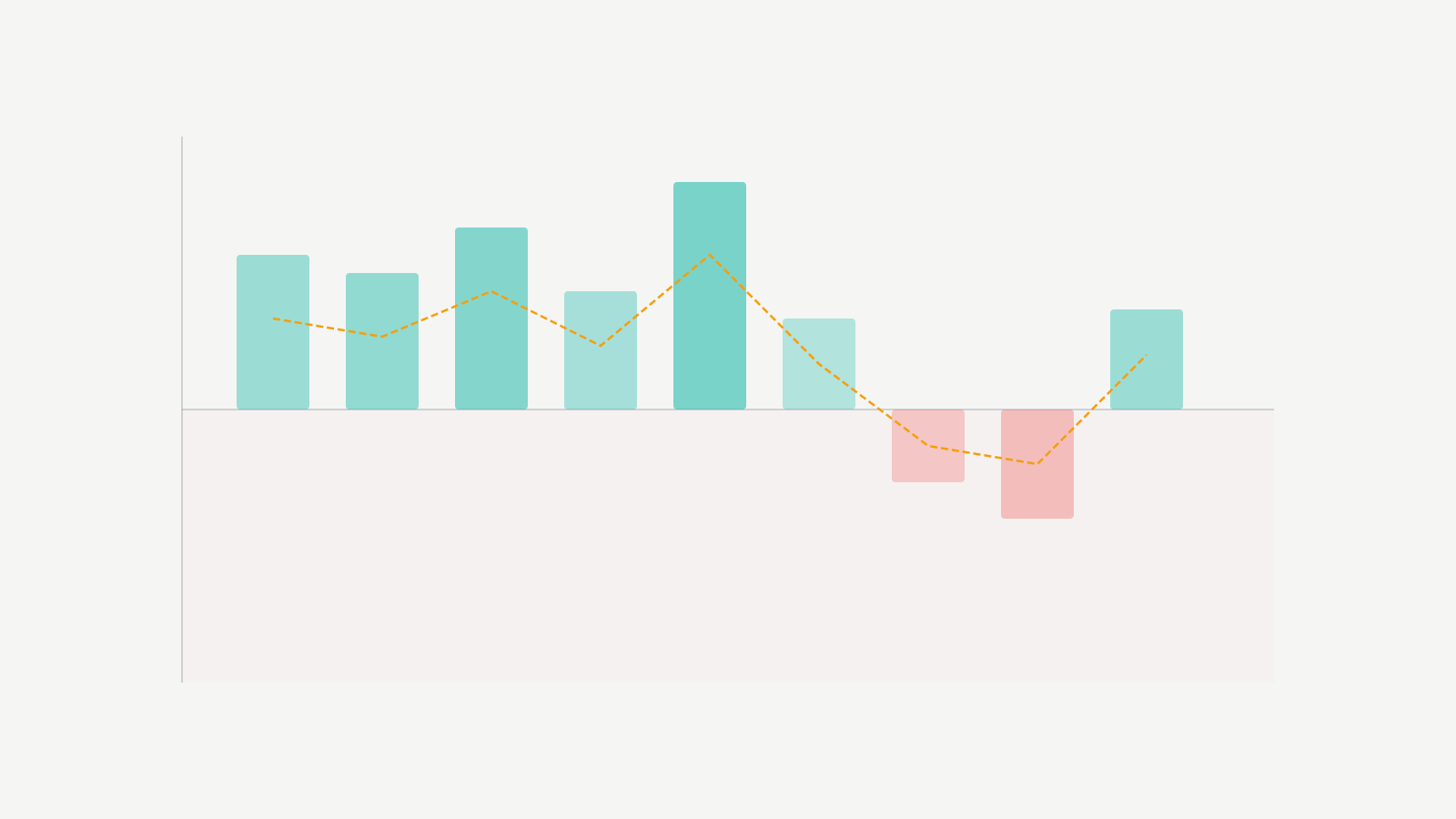
A U.S. Bank study found that 82% of small businesses that fail cite cash flow problems as the primary cause. Not low revenue. Not bad products. Timing.
Profit is revenue minus expenses over a period. It’s a backward-looking accounting measure. Cash flow is actual money moving through your bank account right now. You can show $120,000 in annual profit while staring at a $2,300 bank balance on the 28th of the month. I’ve been there.
Cash flow positive means more money entering than leaving in a given period. Cash flow negative means the opposite. Negative cash flow is survivable with reserves, but chronic negative cash flow will drain any business dry within 6 to 12 months regardless of what the P&L says.
The timing trap works like this. You invoice $15,000 in January. The client pays in March. Your hosting, contractors, and tools cost $9,800 in February. You’re profitable over Q1, but February is a crisis. This is the exact pattern that catches first-time small business owners off guard.
Accounts receivable isn’t cash. I learned this the hard way with a $24,000 receivable from a client who eventually went bankrupt. Money owed to you is a promise. Cash in your bank account is a fact. Build your systems around facts.
The Three Cash Flow Statements You Need
Most small business owners track one number: bank balance. That tells you where you are today. It tells you nothing about next week. You need 3 views of cash flow, and they each serve a different purpose.
Operating cash flow tracks money from core business activities. Client payments in, regular expenses out. For small businesses, this is 90%+ of your cash movement.
Investing cash flow covers business investments. Equipment purchases, major software licenses, property. Less frequent but larger amounts.
Financing cash flow handles loans received, loan payments, owner contributions, and owner draws. The capital structure side.
Here’s my weekly tracking format. I review this every Monday morning before anything else.
| Category | What to Track | Review Frequency | Action Trigger |
|---|---|---|---|
| Operating Inflow | Client payments received, recurring revenue | Weekly | If below projected by 20%+, escalate collections |
| Operating Outflow | Contractor payments, tools, hosting, services | Weekly | If above projected by 15%+, audit subscriptions |
| Investing | Equipment, major software, capital expenses | Monthly | Delay if operating cash flow is negative |
| Financing | Loan payments, credit line draws, owner draws | Monthly | If using credit line 3+ months running, restructure |
| Net Position | Current balance vs. 30-day projected balance | Weekly | If projected balance drops below 2 months expenses, activate gap plan |
Timing visibility matters more than totals. I don’t just track how much came in. I track the exact date every dollar arrived and left. This makes forecasting possible instead of theoretical.
Cash Flow Forecasting That Actually Works
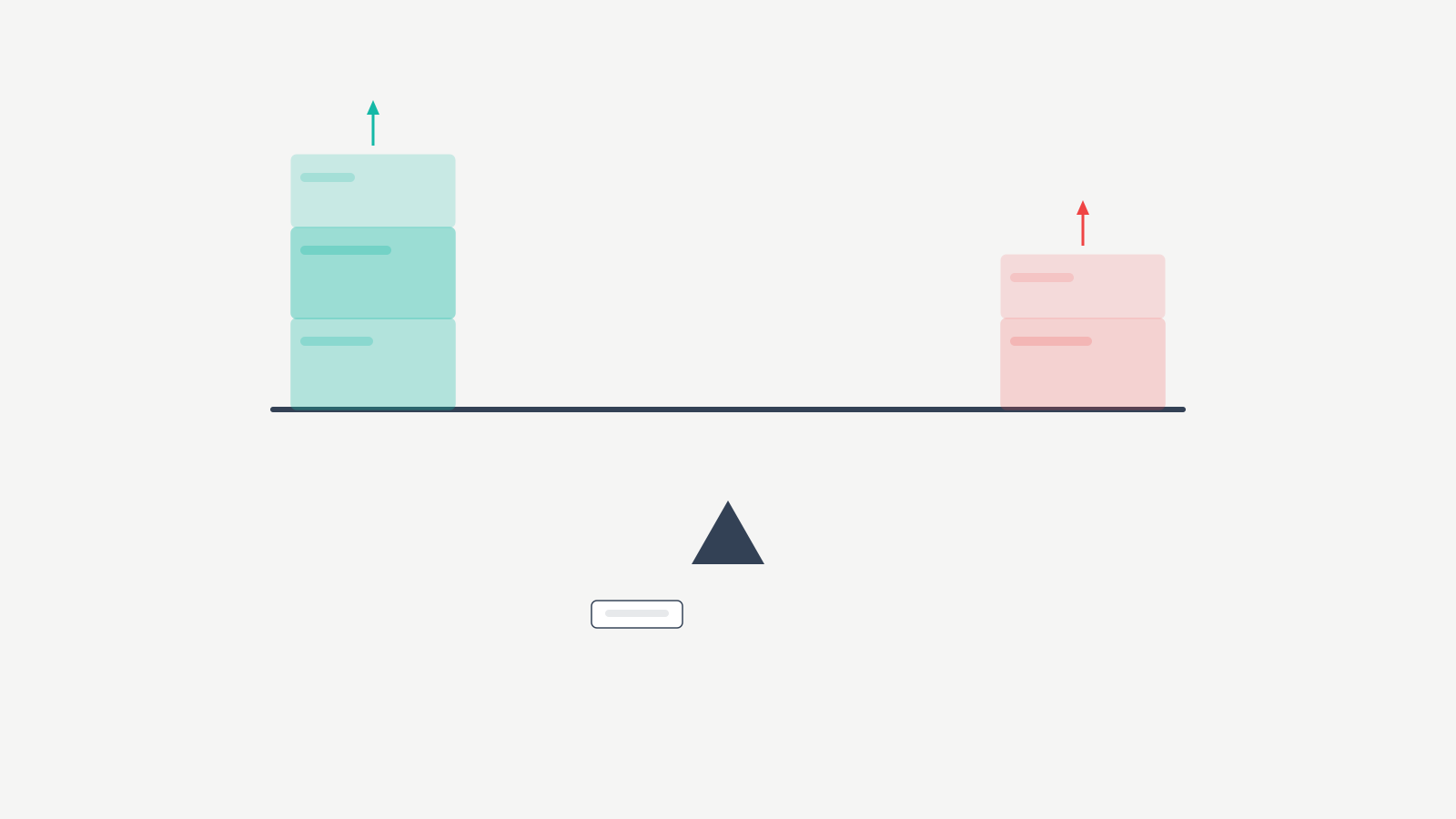
I’ve tried every forecasting method out there. Most fail because they use invoice dates instead of actual payment dates. Here’s what I use now, after 8 years of iteration.
Short-term forecast: next 4 to 8 weeks. Weekly granularity. Every expected inflow and outflow with dates. This is your early warning system. If it shows a negative week, you have 4 to 8 weeks to fix it.
Medium-term forecast: next 3 to 6 months. Monthly view. General patterns and major items. This is where you spot seasonal dips and plan major purchases.
Long-term forecast: 6 to 12 months. Quarterly view. Strategic planning only. Less precise, but it tells you if you can afford that new hire in Q3.
The single most important rule: use realistic collection timelines. If your clients typically pay in 45 days, forecast at 45 days. Not at your Net-30 terms. Not at what you hope. My average collection time across all clients over the past 3 years is 38 days. I forecast at 42 days to build in buffer.
Don’t forget irregular expenses. Annual insurance renewal ($4,200), quarterly estimated taxes ($8,500), annual software licenses ($2,800 total). These hit hard if you don’t plan for them. I set aside 1/12th of all annual expenses monthly into a separate account.
Run 3 scenarios every quarter. Best case (all clients pay on time, pipeline converts at 40%). Expected case (historical averages). Worst case (lose 1 major client, collections slow by 15 days). If worst case shows negative cash flow, act on it before it happens.
12 Ways to Speed Up Cash Inflow
Getting money faster is the highest-leverage cash flow improvement. Here’s every tactic I’ve tested, ranked by impact.
| Tactic | Time to Implement | Cash Flow Impact | My Results |
|---|---|---|---|
| 50% deposit before work starts | 1 day (update contract) | High | Reduced gap by $8,000 to $12,000/month |
| Invoice on completion day, not month-end | 1 day (change habit) | High | Cut average collection time by 12 days |
| Milestone billing on projects over $5,000 | 1 week (restructure proposals) | High | Eliminated 60+ day receivables entirely |
| Accept credit cards + ACH | 1 to 2 days | Medium | 30% of clients switched to card (instant payment) |
| Auto-billing for retainer clients | 2 to 3 hours | Medium | 100% on-time payment from retainer clients |
| 2% discount for payment within 10 days | 1 day | Medium | 40% of clients took the discount. Worth it. |
| Automated payment reminders (day 1, 7, 14 overdue) | 1 to 2 hours | Medium | Reduced average overdue period by 9 days |
| Switch to Net-15 terms (from Net-30) | 1 day | Low to Medium | Worked for 60% of clients with no pushback |
| Late payment penalty clause | 1 day | Low | Rarely enforced, but signals seriousness |
The deposit requirement was the single biggest change. Before I required 50% upfront, I’d start $10,000+ projects at zero and wait 60+ days for full payment. Now, I collect half before any work begins. Non-negotiable. I’ve lost exactly 2 prospects over this policy in 5 years. Both were clients who would’ve been collection problems anyway.
Recurring revenue is the ultimate cash flow stabilizer. My retainer clients provide $14,000/month in predictable income. That covers all fixed expenses. Everything else is upside. If you’re running a service business without retainers, building that base should be your top priority.
Managing Cash Outflow Without Cutting Growth
Slowing outflow isn’t about being cheap. It’s about timing money leaving your account to match money entering it.
Negotiate Net-30 or Net-45 with vendors. I pay contractors on Net-30 while collecting from clients with deposits and milestone billing. This alignment alone eliminated 80% of my cash crunches.
Time major purchases to strong cash periods. I bought a $6,800 server upgrade in March (my strongest revenue month historically) instead of January (my weakest). Same expense, zero cash stress.
Run a quarterly subscription audit. In my last audit (January 2026), I found $847/month in tools I wasn’t actively using. That’s $10,164/year freed up. Subscriptions creep. Audit them.
Arrange a credit line before you need it. I have a $50,000 business credit line I’ve used exactly twice in 5 years. Both times for timing gaps under 3 weeks. The interest cost was under $200 total. Having it available is worth the $0 annual fee.
Know your expense priority stack. When cash gets tight (it will, at some point), pay in this order: employees/contractors first, essential operations second, vendors with late fees third, everything else last. Having this hierarchy pre-decided means you don’t panic-choose when stress is high.
Lease vs. buy analysis for anything over $3,000. I leased $12,000 in equipment over 24 months ($540/month) instead of buying outright. Preserved $12,000 in working capital. The total cost was $960 more than buying. That $960 was the cheapest insurance I’ve ever purchased.
Building Cash Reserves: The Numbers
Common advice says 3 to 6 months of operating expenses. That’s a floor, not a ceiling. Here’s what I actually target and why.
My monthly operating expenses run $23,000. I keep $115,000 in reserves. That’s 5 months. For a service business with variable income, I wouldn’t go below 4 months.
How I built it. I set aside 10% of every payment received into a separate high-yield savings account (4.5% APY currently). Non-negotiable. I treat it as an expense, not optional savings. It took 14 months to hit my target from zero. During that period, I took a lower owner draw.
| Income Volatility | Minimum Reserve Target | Build Rate | Timeline to Target |
|---|---|---|---|
| Stable (retainer-heavy, predictable clients) | 3 months operating expenses | 5 to 8% of revenue | 12 to 18 months |
| Moderate (mix of project + retainer) | 4 to 5 months operating expenses | 8 to 10% of revenue | 14 to 24 months |
| High (project-based, seasonal, few clients) | 6+ months operating expenses | 10 to 15% of revenue | 18 to 30 months |
Keep reserves in a separate account. Not your operating account. Not even the same bank, ideally. Psychological separation matters. If you can transfer it in 30 seconds, you’ll dip into it for non-emergencies. I use a different bank with 1 to 2 business day transfer times. That friction is intentional.
Reserves are insurance, not budget. I’ve used mine 3 times in 5 years. Each time for a genuine gap (client bankruptcy, delayed project start, pandemic slowdown). Each time I replaced what I used within 60 days. If you’re dipping monthly, your business model has a structural problem that reserves won’t fix.
Collecting Receivables: My Exact System
Getting paid what you’re owed requires a system, not willpower. Here’s mine, refined over 10+ years of freelance and agency work.
Day of completion: Invoice sent with clear due date, payment link, and all details. No vague descriptions. Line items match the proposal exactly.
Day 1 past due: Automated reminder via invoicing software. Friendly, factual. “Invoice #1234 was due yesterday. Here’s the payment link.”
Day 7 past due: Second automated reminder with slightly firmer language.
Day 14 past due: Personal email from me. Direct. “I noticed this is overdue. Is there an issue I should know about?”
Day 30 past due: Phone call. If there’s a genuine hardship, I’ll set up a 2 to 3 payment plan. Something is better than nothing.
Day 45 past due: Final notice with late fee applied and pause on any active work.
Day 60 past due: Formal demand letter. I mention small claims court as an option. This has resolved 100% of cases that reached this stage.
Prevention beats collection. Deposits, milestone billing, and client screening have reduced my overdue invoices from 35% of total receivables (2017) to under 8% (2025). The best collection strategy is never needing one.
Managing Variable Income
If your income fluctuates (and for most service businesses, it does), standard budgeting doesn’t work. Here’s what does.
Budget on your worst month, not your average. My best month in 2025 was $47,000. My worst was $19,000. I budget essential expenses against $19,000. Everything above that gets allocated: 10% to reserves, 15% to taxes, 20% to growth, and the rest to owner draw.
Percentage-based allocation scales automatically. In a $47,000 month, 10% reserve contribution is $4,700. In a $19,000 month, it’s $1,900. The system adjusts without manual decisions.
Diversify income streams. I have 4 revenue channels: retainer clients, project work, digital products, and consulting. When project work dipped 40% in Q2 2024, retainer income covered all fixed costs. No scramble, no panic.
Keep fixed costs below 60% of your worst-month revenue. My fixed costs are $11,400/month. That’s 60% of my $19,000 worst month. Tight, but survivable without touching reserves. If your fixed costs exceed your worst month’s revenue, restructure before it’s forced on you.
Have a downturn playbook. Know exactly what you’d cut if revenue dropped 30% and 50%. Mine is written down: at 30% I cut discretionary tools and pause growth spending. At 50% I reduce contractor hours and defer all non-essential expenses. Pre-deciding removes emotion from the equation.
Cash Flow Warning Signs and What to Do
Catch these early. Every one of these has shown up in my business at some point.
| Warning Sign | What It Means | Action Within 7 Days |
|---|---|---|
| Bank balance declining 3+ weeks in a row | Outflow exceeding inflow consistently | Audit all expenses, accelerate invoicing, pause non-essential spending |
| Receivables growing while cash shrinks | You’re doing work but not collecting | Shift to collection mode: calls, not emails. Pause new work for worst offenders |
| Using credit line for regular operations | Business model isn’t generating enough cash | This isn’t a timing gap. Restructure pricing or cut costs |
| Can’t make owner draw 2+ months | Business can’t sustain you | Either the business needs more revenue or fewer expenses. Decide and act |
| Paying bills late regularly | Cash flow is structurally broken | Emergency audit: categorize all expenses as essential/deferrable/cuttable |
| Reserves used for routine expenses | Reserves are masking a cash flow deficit | Stop normalizing this. Fix the underlying gap |
| Pipeline is thin for 2+ months ahead | Future cash flow problem incoming | Sales mode: outreach, follow-ups, proposals. Revenue now prevents crisis later |
In 2020, I hit 3 of these 7 simultaneously. Declining balance, growing receivables, reduced owner draw. The pandemic had frozen 2 major clients who owed me $31,000 combined. I caught it in week 2 because I was checking weekly. That early detection gave me 6 weeks of runway to restructure. If I’d been checking monthly, I’d have had 2 weeks.
Tools I Actually Use (and What I’ve Dropped)
I’ve tested over 15 cash flow tools since 2018. Most added complexity without clarity. Here’s what survived.
QuickBooks Online ($30/month): Foundation layer. All income and expenses tracked, invoicing, basic reporting. It’s not perfect, but the ecosystem integration is unmatched for small businesses.
Google Sheets (free): My actual forecasting tool. I’ve built a custom 13-week cash flow forecast that pulls from QuickBooks categories. More flexible than any dedicated app I’ve tried.
Stripe + WooCommerce: Payment processing for retainer and product sales. Auto-billing on the 1st of each month for retainer clients. 0% failure rate on recurring charges over 2 years.
Mercury (business banking): Real-time balance visibility, automatic categorization, low-friction transfers. Switched from Chase in 2022 and the reporting alone justified the move.
What I dropped: Float ($59/month, too complex for my needs), Pulse ($29/month, duplicated what my spreadsheet did), FreshBooks (switched to QuickBooks for better reporting). Don’t pay for specialized tools until your spreadsheet system breaks. For most businesses under $500,000 annual revenue, it won’t.
Cash Flow for Service Businesses Specifically
Service businesses have unique cash flow challenges because revenue is tied to human capacity and project timelines.
Project-based revenue is inherently lumpy. You finish a $20,000 project and invoice. Then there’s a 2 to 3 week gap before the next project ramps. The income chart looks like a heartbeat monitor, not a steady line.
Convert project clients to retainers. I’ve moved 6 of my last 10 project clients into monthly retainer agreements after the initial project. Average retainer value: $2,800/month. Total monthly retainer revenue: $14,000. That’s a floor of predictable income I can build on.
Require deposits on everything over $2,500. Standard: 50% upfront for projects under $15,000, 30% for projects over $15,000 with milestone billing for the balance. No exceptions. This is in the contract before any work begins.
Client selection is a cash flow decision. I track payment speed by client. My best client pays in 8 days on average. My worst (now former) client averaged 52 days. I fired the slow payer. That single decision improved my average collection time by 6 days across the board.
Know your seasonal pattern. My slowest months are January and August. My strongest are March, October, and November. I’ve tracked this for 6 years. Knowing the pattern lets me build reserves in strong months to carry through weak ones. If you haven’t tracked your seasonality yet, start now. 12 months of data will change how you plan.
Financing Cash Flow Gaps (Without Destroying Your Business)
Sometimes internal management isn’t enough. Here’s the financing hierarchy from least to most expensive.
Business credit line (cost: prime + 1 to 3%): Best option for timing gaps. You pay interest only on what you use. I keep a $50,000 line and have never drawn more than $15,000 at once. Total interest paid over 5 years: under $400.
Business credit cards (cost: 0% for 15 to 21 months on intro offers, then 18 to 26% APR): Good for a 30-day float on regular expenses if you pay in full. Never carry a balance past the intro period.
SBA microloans (cost: 8 to 13% APR): For larger gaps with clear repayment timelines. More paperwork but lower rates than alternatives.
Invoice factoring (cost: 1 to 5% of invoice value): Sell receivables for immediate cash. I’ve used this once, for a $35,000 invoice from a slow-paying enterprise client. The factor took 3% ($1,050). I got $33,950 in 48 hours instead of waiting 60+ days. Worth it for that situation. Not worth it as a regular practice.
Owner contributions: Putting personal money into the business. I did this once for $8,000 in 2019. Document it properly for tax purposes. If you’re doing this regularly, the business isn’t viable at its current structure.
The rule: financing addresses timing, not fundamentals. If you need a credit line to bridge a 3-week gap between a client payment and contractor bills, that’s fine. If you need a credit line every month to make payroll, your business has a revenue or pricing problem that debt won’t solve.
Mistakes I Made (So You Don’t Have To)
Starting a $22,000 project with zero deposit. The client delayed payment for 73 days after delivery. I’d already paid $14,000 to contractors. I was floating $14,000 of someone else’s project from my personal savings. Never again. Now it’s 50% upfront or I don’t open the project folder.
Not tracking cash flow separately from profit. For my first 3 years, I looked at monthly P&L and assumed I was fine. I was profitable every quarter. But I had 2 near-misses where I almost couldn’t make contractor payments. The P&L said I was healthy. My bank account said otherwise.
Keeping reserves in my operating account. I had $40,000 “earmarked” for reserves in the same account I used daily. By the end of year one, the reserve was $11,000. Psychological separation isn’t optional. Separate bank. Separate login. Friction by design.
Ignoring seasonal patterns. I signed a $6,200 annual software contract in January 2021, my historically weakest month. The payment hit the same week as quarterly estimated taxes. Combined: $14,700 out in one week during my lowest-revenue month. I’ve since moved all annual renewals to March or October.
Being too nice about collections. I let a long-term client’s invoice age to 90 days because I didn’t want to damage the relationship. They eventually paid, but only after I sent a formal demand letter. The relationship survived. My people-pleasing cost me $9,500 in floating capital for 3 months. Professional follow-up isn’t rude. It’s business.
Long-Term Cash Flow Strategy
Everything above is tactical. Here’s the strategic layer that makes cash flow management automatic over time.
Shift your revenue mix toward recurring. My goal is 70% recurring revenue by end of 2027. Currently at 55%. Every percentage point of recurring revenue reduces forecasting complexity and cash flow volatility. Retainers, subscriptions, and maintenance agreements are the foundation.
Keep variable costs high relative to fixed costs. Fixed costs are obligations regardless of revenue. Variable costs scale with activity. My split: 40% fixed, 60% variable. If revenue drops 30%, my expenses automatically drop 18% without any manual cuts.
Build credit relationships before you need them. My credit line, banking relationship, and SBA pre-qualification were all established during strong revenue years. When I needed them, there was zero delay. If you wait until you’re desperate, lenders see the desperation.
Track financial KPIs monthly. Days Sales Outstanding (DSO), working capital ratio, cash conversion cycle. I review these the first Monday of every month. DSO above 40 days triggers collection escalation. Working capital ratio below 1.5 triggers expense review. Numbers, not feelings, drive decisions.
Plan growth spending against cash flow, not profit. I wanted to hire a full-time developer in 2024. Profitable enough on paper. But the cash flow impact was $7,500/month in fixed cost before any revenue from the new capacity. I waited 3 months until retainer revenue grew enough to cover it. Growth that outruns cash flow isn’t growth. It’s a liability.
The Bottom Line
Cash flow management isn’t complicated. It’s disciplined. Track weekly. Forecast monthly. Collect aggressively. Build reserves. Keep fixed costs low. That’s the system. I’ve run it for 8 years and it has survived a pandemic, client bankruptcies, and seasonal revenue swings of 60%.
Start with 3 things this week: set up a weekly cash tracking ritual (even a simple spreadsheet), require deposits on your next project, and move whatever you can into a separate reserve account. These three actions alone would’ve prevented every cash crunch I experienced in my first decade of business.
Your P&L tells you if your business is viable. Your cash flow tells you if it’s alive. Manage accordingly.
Frequently Asked Questions
What’s the difference between cash flow and profit?
Profit is revenue minus expenses over a period. Cash flow is actual money moving through your bank account right now. You can show $120,000 in annual profit while having $2,300 in the bank on the 28th. I’ve been there. The timing gap between earning and collecting is what kills businesses. A U.S. Bank study found 82% of failed small businesses cite cash flow as the primary cause.
How do I improve cash flow in my business?
The highest-impact change: require 50% deposits before starting work. This single policy reduced my cash gap by $8,000 to $12,000 per month. Beyond that: invoice on completion day (not month-end), set up milestone billing on projects over $5,000, accept credit cards and ACH, automate payment reminders, and build recurring retainer revenue. On the outflow side, negotiate Net-30 with vendors and run quarterly subscription audits.
How much cash reserve should a small business have?
Minimum 3 months of operating expenses for stable businesses, 4 to 5 months for mixed revenue, and 6+ months for highly variable income. I keep 5 months ($115,000) on $23,000/month operating expenses. Build by setting aside 10% of every payment received into a separate high-yield savings account. It took me 14 months from zero. Keep reserves at a different bank to create friction against casual withdrawals.
What are warning signs of cash flow problems?
Seven warning signs: bank balance declining 3+ weeks in a row, receivables growing while cash shrinks, using credit for regular operations, unable to make owner draws for 2+ months, paying bills late regularly, using reserves for routine expenses, and thin pipeline for 2+ months ahead. I hit 3 of these simultaneously in 2020. Weekly monitoring caught it early enough to restructure with 6 weeks of runway instead of 2.
How do I forecast cash flow?
Use 3 forecast horizons: short-term (4 to 8 weeks, weekly detail), medium-term (3 to 6 months, monthly), and long-term (6 to 12 months, quarterly). The most important rule: use realistic collection timelines, not your invoice terms. If clients pay in 45 days on average, forecast at 45 days. Run 3 scenarios quarterly (best, expected, worst case). A Google Sheets model has worked better for me than any paid forecasting tool.
Should I use credit to manage cash flow gaps?
A business credit line is essential for timing gaps. I keep a $50,000 line and have used it twice in 5 years, paying under $400 total in interest. But credit should bridge temporary gaps, not fund ongoing operations. If you’re drawing on credit every month to make payroll, you have a revenue or pricing problem that debt won’t solve. Arrange credit when you don’t need it. Lenders who see desperation don’t offer favorable terms.