
Close $5K Website Deals Without a Sales Team
I lost a $12,000 project because I wouldn’t shut up.
45 minutes on a discovery call. I spent 40 of them talking about what I could build, the plugins I’d chosen, the timeline I’d mapped out. The prospect said “we’ll think about it” and ghosted. Two follow-up emails. Zero replies.
The next month, I tried the opposite. 5 questions. 30 minutes of listening. Then a 10-minute Loom video walking through a custom proposal instead of a PDF. That deal closed at $15,000. Same skills. Completely different approach.
After 16+ years and 800+ client projects, I can tell you: the problem isn’t your ability to sell. It’s that you’re selling the wrong way. This article covers the exact system I use to close $5K+ website deals as a solo developer with no sales team, no cold calls, and no scripts that make you sound like a telemarketer.
Why Developers Fail at Sales (and Why It Doesn’t Matter)
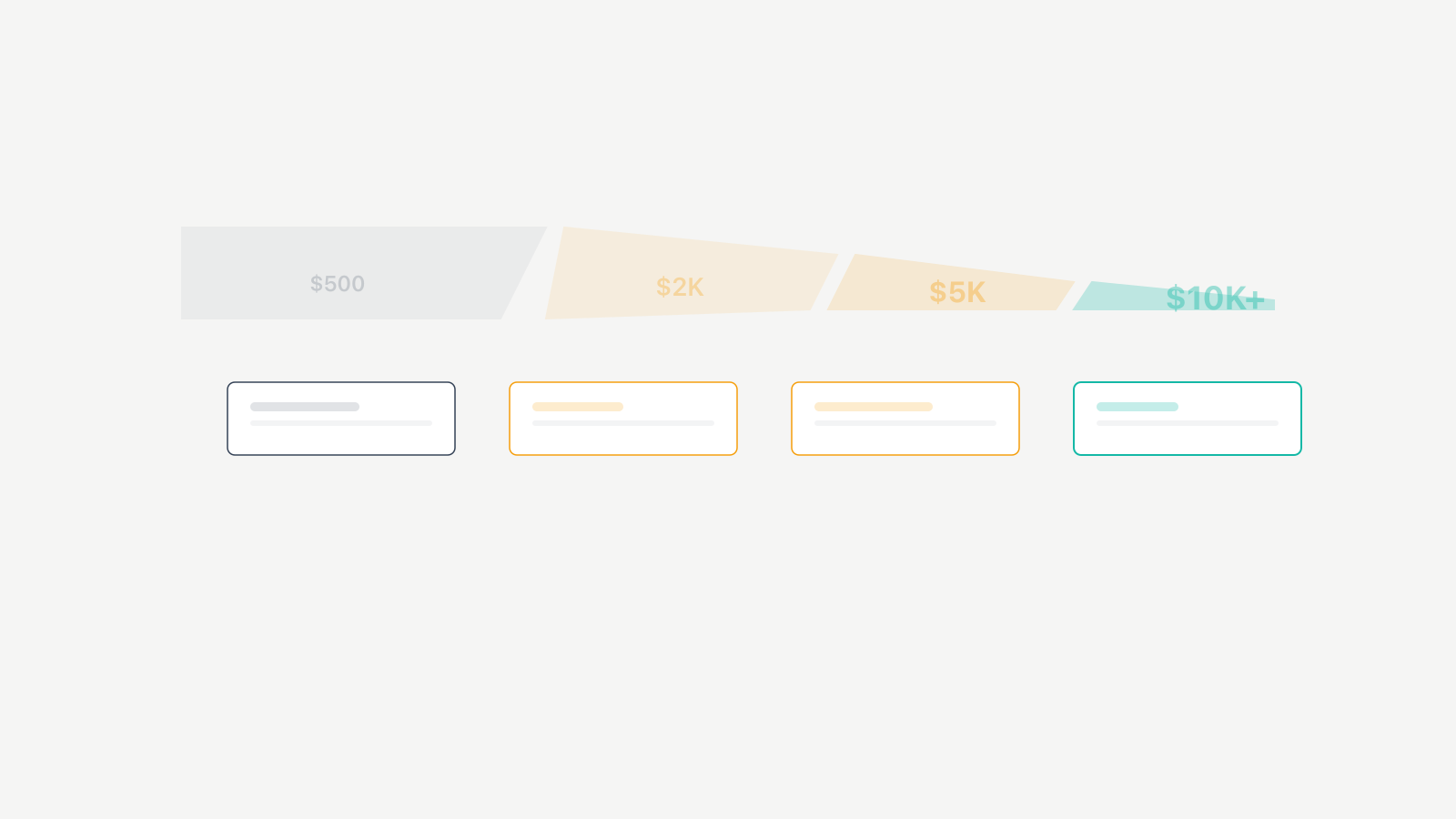
Developers think selling means persuading. It doesn’t. Selling means qualifying.
Your job isn’t to convince anyone. It’s to find people who already need what you build and show them you understand their problem better than they do. That’s a diagnostic skill, not a charisma skill. Most developers are good at it once they stop trying to pitch.
The $12K deal I lost? I was listing features and capabilities because I was nervous, and nervous developers talk about their work. The prospect wasn’t looking for a feature list. They needed to know I understood their specific problem. I was so busy describing solutions that I never heard the problem.
The $15K deal I won? I asked what a successful website would mean for their business in 6 months. I asked what they’d tried before and why it hadn’t worked. I asked who would be using the site and what action they needed visitors to take. By the end of the call, the prospect felt understood. When you feel understood, you trust the person who understands you.
I’ve tracked my close rates over the last 5 years. Here’s the pattern.
| Sales Approach | Close Rate | Avg Deal Size | Time Per Deal |
|---|---|---|---|
| Feature-dumping on calls | 10% | $3,200 | 4.5 hours |
| Structured discovery + PDF proposal | 25% | $5,800 | 3 hours |
| Structured discovery + Loom proposal | 62% | $7,400 | 2.5 hours |
Same developer. Same services. The only variable was how I ran the sales process.
The Lead Qualification System That Saves You Hours
Before any call happens, you need to know who’s worth talking to.
I use a 7-question intake form that every prospect fills out before I schedule a discovery call. Takes them about 5 minutes. Saves me hours every week.
Here are the questions:
- What type of project are you looking to get done?
- What’s your estimated budget range? (Ranges: under $1K, $1K-$3K, $3K-$7K, $7K-$15K, $15K+)
- What’s your target completion date?
- Are you the primary decision-maker for this project?
- Have you worked with a developer on this before? What happened?
- How did you hear about us?
- Anything specific I should know before our call?
The budget question filters about 70% of tire-kickers automatically. Someone who selects “under $1K” isn’t going to find $5K because you gave a great pitch. They can’t afford it yet. Refer them somewhere appropriate and move on.
Decision-maker authority matters more than most developers realize. If the person on the call has to “check with their boss” on everything, your close rate drops. Not because you’re doing anything wrong, but because you’re selling to someone who can’t say yes.
The “what happened before” question is gold. A prospect who’s fired 2 previous developers is either the problem or inheriting bad work from those developers. Either way, I need to know before I quote.
This form alone cut my time on non-converting calls by about 50%. And the quality of conversations went up at the same time.
The Discovery Call Framework for Non-Salespeople
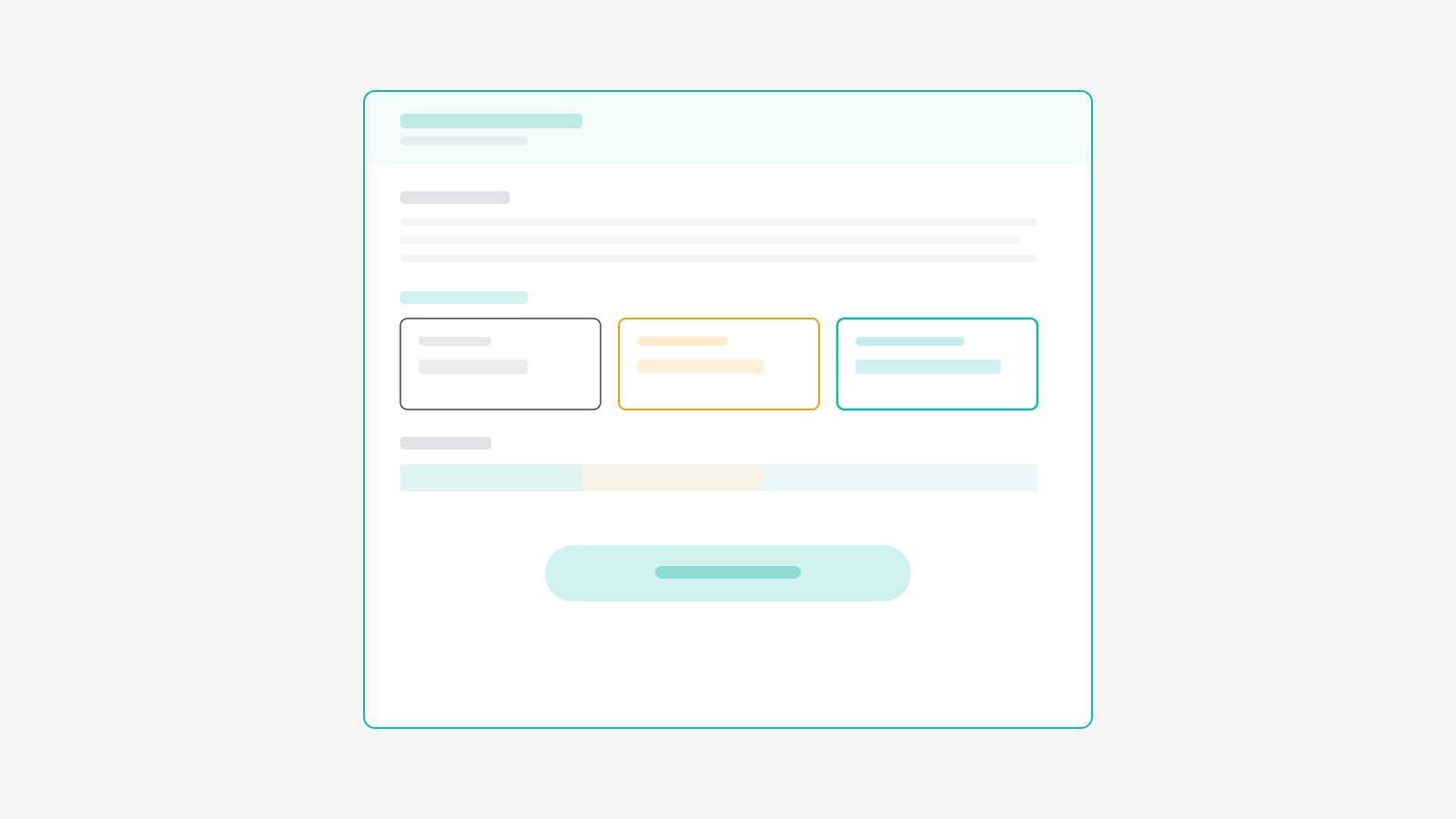
I don’t follow a rigid script, but I follow a consistent sequence. The sequence matters because it controls how information flows.
First 5 Minutes: Confirm What You Know
Reference the intake form. “I see you’re looking for a WooCommerce build with about 500 products and a custom checkout flow. Is that still the right framing?” This tells the prospect you did your homework and saves you from restating basics.
Next 15 Minutes: Let Them Talk
These are the questions I ask, roughly in this order:
- “What does success look like 6 months after launch?”
- “What’s the business cost of the current situation?” (If their site isn’t converting, what’s a lost visitor worth?)
- “What have you tried before, and what didn’t work about it?”
- “Who else is involved in making this decision?”
- “Walk me through your timeline. Is there a hard deadline or is this flexible?”
- “What’s your budget range?” (Ask again, directly, even if they filled it in the form. The real number sometimes differs.)
Let them answer fully. Resist the urge to jump in with solutions. When they’re done, summarize: “So what I’m hearing is you have X situation, and the cost of not solving it is Y, and you need it done by Z. Is that right?”
9 times out of 10, they say yes, plus they add one more thing they forgot to mention. That extra thing is often the most important detail.
Last 10 Minutes: Set the Next Step
Don’t quote on the call. Say: “Based on what you’ve told me, I have a clear picture of the scope. I’m going to put together a proposal that I’ll send you by [specific date], and I’ll walk you through it on a short follow-up call.”
Never end with “I’ll send you a quote.” End with a specific next step and a specific date.
The Loom Proposal Method That Doubled My Close Rate
This is the single biggest change I made to my sales process.
PDF proposals closed at roughly 20-30% for me. Video proposals close at 60-70%. Same information. Completely different medium.
Video works better because it builds trust in a way that a document can’t. When a prospect watches a 10-minute Loom of me walking through their custom proposal, pointing at their specific requirements, explaining my thinking, they see that I built this for them. A PDF looks the same whether you spent 2 hours on it or copied it from a template (because you did copy it from a template).
My Loom proposal structure:
| Timestamp | Section | What to Cover |
|---|---|---|
| 0:00-1:00 | Discovery recap | Reference their specific pain point and cost of inaction from the call |
| 1:00-4:00 | Three-tier walkthrough | Explain the thinking behind each option, not just the line items |
| 4:00-8:00 | Middle option deep-dive | Show similar work examples and explain technology choices |
| 8:00-10:00 | Clear next steps | Link to sign agreement + pay deposit, or calendar link for questions |
The Loom is hard to forward to a cheaper competitor. A PDF is not. When a prospect has watched you explain your thinking for 10 minutes, they’re less likely to take that to someone else and say “build me this for half the price.”
I made the mistake early on of recording 20+ minute Looms. Don’t do this. Prospects stop watching after 10-12 minutes. I checked the Loom analytics. Average watch time on my 20-minute proposals was 8 minutes. Average watch time on my 10-minute proposals was 9 minutes. Shorter means they actually finish it.
Pricing the Deal: Anchoring, Tiers, and the No-Brainer Package
Always present 3 options. Always.
The premium option exists to anchor. When someone sees a $15,000 option, $7,000 stops feeling expensive. It’s basic psychology, and it works whether or not you think it should.
The middle option is where you want most clients to land. Price it at the intersection of what delivers real value to them and what makes the work worthwhile for you.
The starter option gives clients a way to say yes if the middle tier is genuinely out of reach. Some of my best long-term client relationships started with starter tier projects that eventually grew into $20K+ relationships over 2-3 years.
A real three-tier WooCommerce proposal I used last year:
| Feature | Starter ($3,500) | Professional ($6,500) | Enterprise ($12,000) |
|---|---|---|---|
| Products supported | 50 | 500 | 500+ |
| Checkout flow | Standard | Custom | Custom + wholesale pricing |
| Payment integrations | Stripe | Stripe + PayPal | Stripe + PayPal + invoicing |
| Filtered product search | No | Yes | Yes |
| Performance target | Under 3s load | Under 2s load | Under 2s load |
| ERP integration | No | No | Yes |
| Staff training | No | No | 2 sessions |
| Post-launch support | 30 days | 60 days | 90 days + first maintenance quarter |
The prospect chose Professional. The anchoring of Enterprise made $6,500 feel like a smart, reasonable choice rather than a significant investment.
For managing your proposal pipeline and client relationships, Close CRM is what I use for tracking where each deal is in the process. Simple, built for small teams, doesn’t have the bloat of enterprise CRM tools. And Google Workspace handles proposals, contracts, and the professional email presence that tells prospects they’re dealing with an established operation.
The Follow-Up Sequence That Doesn’t Feel Desperate
80% of deals close after follow-up. Not after the pitch.
Most developers send 1 follow-up email and give up. They don’t want to seem pushy. So they lose deals to competitors who were persistent enough to follow up 3 times.
Here’s a 3-touch follow-up sequence over 2 weeks:
Day 3 after sending the proposal: “Just checking in to see if you had a chance to review the proposal. Happy to jump on a 15-minute call if you have questions about the scope or the options.”
Day 8: Send something new. An article you wrote that’s relevant to their project. A case study from a similar client. A technical insight from your current work. The key is adding value, not restating “have you made a decision yet.” This one is the hardest to write, but it’s the most effective.
Day 14: The honest close. “I have 2 project slots opening up at the end of next month and I’m finalizing my schedule. Let me know if you’d like to move forward or if the timing isn’t right. Either way, I appreciate the conversation.” This gives them a reason to respond even if the answer is no.
Most prospects who go quiet aren’t avoiding you. They got busy. A thoughtful follow-up at the right time pulls them back. I’ve closed deals on the day 14 message that I’d written off.
Honest Mistakes I Made Closing Deals
I’ve been doing this for 16 years. I’ve made every mistake on this list, some of them more than once.
Quoting on the call. Early in my career, I’d blurt out a number the moment a prospect asked “how much?” On one call in 2014, I said “$4,000” for a custom WordPress membership site. The prospect said yes immediately. I realized within 2 weeks the scope was closer to $8,000 worth of work. I honored the quote and lost $4,000 in effective earnings. Never quote live. Take the information home, scope it properly, and present a considered proposal.
Offering discounts to “close faster.” In 2017, I had a slow month and offered a 20% discount to a prospect who hadn’t even asked for one. They took it, told 2 referrals about the discounted rate, and those referrals expected the same pricing. That one discount cost me roughly $6,000 in downstream revenue.
Skipping the intake form for “warm” leads. A friend-of-a-friend wanted a site. I skipped the form because it felt too formal. The project went sideways within 3 weeks because I missed that the “primary decision-maker” was actually his business partner who had completely different requirements. A 5-minute form would’ve caught that.
Sending PDF proposals without a Loom. For 3 years, I sent beautifully formatted PDFs that took me 2 hours to create. My close rate was stuck at 25%. The moment I switched to Loom, it jumped to 62%. I still feel stupid about the 3 years I wasted on those PDFs.
Not tracking where deals die. Until 2019, I had no idea at what stage I was losing people. Once I started tracking, I found that 40% of lost deals died between proposal sent and follow-up. The problem wasn’t my proposals. It was that I wasn’t following up consistently.
Building a Referral Engine That Replaces Cold Outreach
The best source of $5K+ leads isn’t cold email. It’s clients who already know what you’re worth.
I ask for referrals at project completion, not before. Before the project is done, you haven’t delivered yet. The client doesn’t know enough to recommend you with confidence. After a successful launch, they’re at peak satisfaction and they have something specific to say about your work.
My referral ask is simple: “I’m glad the launch went well. If you know any other business owners who are struggling with [their specific situation], I’d love an introduction. I have capacity for 1 new project next month.”
The specificity matters. “Know anyone who might need a website” gets a shrug. “Know any other SaaS founders who need a custom onboarding flow built” triggers actual names.
One client in the legal tech space generated 4 referrals within 6 months of project completion. Total value: $22,000. None of those referrals negotiated on price, because they’d been told by someone they trusted exactly what to expect.
I don’t offer referral fees to clients. I’ve tried it. It doesn’t work the way you’d expect. Clients don’t refer for money. They refer because you made them look good, and because they want to help someone they like. Referral fees make it transactional, and transactional referrals get you price-shoppers, not ideal clients.
For the cold email outreach side of lead generation, there are good tools, but referrals should always come first. And for the full picture of running a professional freelance operation, must-have tools for freelancers covers the business infrastructure that makes all of this possible.
The Full Pipeline at a Glance
Here’s how every stage maps together:
| Stage | Tool/Action | Time Investment | Drop-off Point |
|---|---|---|---|
| Lead comes in | Intake form (7 questions) | 0 min (async) | 70% filtered here |
| Qualification | Review form responses | 5 min | 15% disqualified |
| Discovery call | 30-min structured call | 30 min | 5% misaligned |
| Proposal | Loom video + 3-tier pricing | 45 min to create | 10-15% choose not to proceed |
| Follow-up | 3-touch sequence over 14 days | 20 min total | Remaining drop-off |
| Close | Agreement + deposit link | 10 min | Done |
Total time per qualified deal: roughly 2-2.5 hours. Compare that to the 4-5 hours I used to spend chasing unqualified prospects through unstructured conversations with no follow-up system.
Start With One Change
You don’t need to overhaul your entire sales process this week. Pick one thing from this article and try it in your next deal cycle. The intake form that filters before the call. The Loom instead of a PDF. The 3-touch follow-up sequence.
I went from closing 1 in 10 prospects to closing 3 in 5 by changing these things one at a time over 6 months. Not a system overhaul. Sequential improvements.
The developers who close $5K+ deals consistently aren’t better salespeople. They’re better diagnosticians with a repeatable process. Build the process, trust the process, and the deals follow.
Frequently Asked Questions
How long should a discovery call last for a $5K+ project?
45-60 minutes. Less than 30 and you haven’t understood the problem. More than 75 and you’re going in circles or the prospect is using your time as free consulting. I schedule 60-minute slots and aim to end at 45. Ending early signals efficiency.
Should I charge for initial consultations or audits?
For generic consultations, no. For specific technical audits that produce a deliverable, yes. I charge $300-$500 for a site audit. About 60% of paid audit clients convert to project clients. The ones who don’t still paid for my time.
What’s the best way to handle prospects who want to think about it?
Ask directly: “Is there anything in the proposal that’s unclear, or are you comparing a few options?” The answer tells you what to do next. “Think about it” usually means they’re comparing competitors, need internal buy-in, or aren’t sold on the value. A direct question beats silence and a follow-up email every time.
How do I compete against agencies with dedicated sales reps?
You have an advantage agencies don’t: you. When clients buy from a solo developer, they know exactly who they’re getting. I make that explicit on every call: “You’ll work with me directly, not a project manager who passes requests to a junior developer.” For clients who value direct communication, that’s more attractive than any agency pitch.
When should I walk away from a deal?
When the budget is genuinely below your floor and scope-cutting won’t fix it. When they’ve fired multiple developers for unclear reasons. When they want to own all code but won’t pay for documentation. Or when you don’t like the project. I’ve walked away from $8K+ deals because the client was a bad fit. A bad-fit client costs more than its revenue in energy and rework.
Do Loom video proposals really convert better than PDFs?
Dramatically. My PDF proposals closed at 20-30%. Video proposals close at 60-70%. Same information, completely different medium. Video builds trust because the prospect sees you built the proposal specifically for them. And a Loom is hard to forward to a cheaper competitor for a knockoff quote.
What CRM should a solo developer use for tracking deals?
I use Close CRM. It’s built for small teams, not enterprise sales floors. The pipeline view shows me exactly where every deal sits, and the built-in email sequences handle my 3-touch follow-ups automatically. Before Close, I tracked everything in a spreadsheet and lost roughly $15K in deals I simply forgot to follow up on over the course of a year.